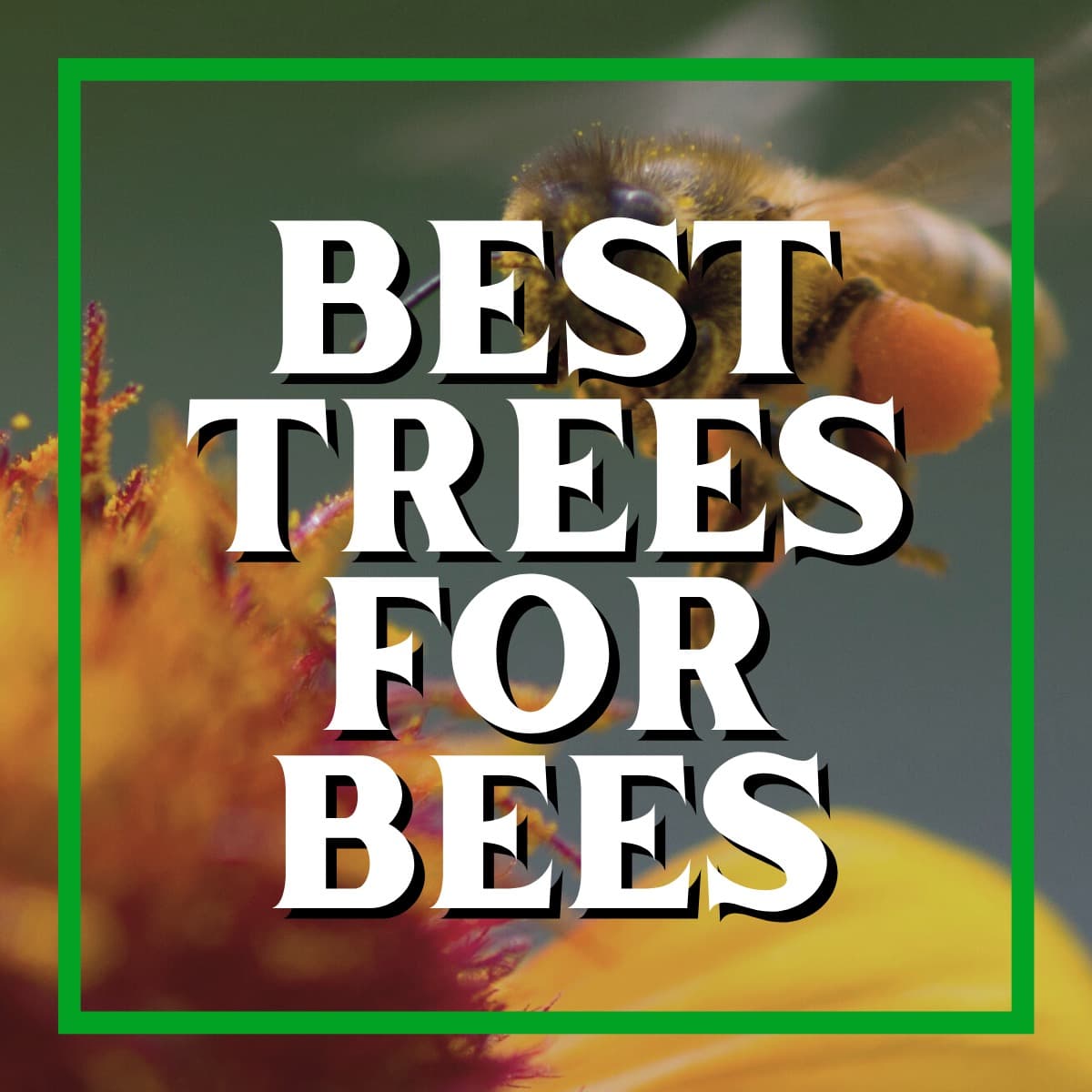
A flowering tree puts a garden's worth of blossoms above your head. For bees, that canopy can be a source of nectar and pollen. When choosing a tree for a Tallahassee yard, consider what it feeds as well as what it shades.
Several native trees stand out as exceptional bee forage in our area. Black tupelo blooms in early spring and produces nectar that is prized by both native bees and honeybees -- tupelo honey from the Apalachicola region is world-famous for its quality. Southern magnolias offer large, fragrant flowers that attract a variety of pollinators from late spring through summer. American holly provides early-season blooms that are critical for emerging bee populations, and its berries feed birds through the winter. Basswood, also known as American linden, produces an abundance of fragrant flowers that are a magnet for bees of all types, and it grows well in the richer soils found in parts of Leon County.
Beyond these standouts, many common Tallahassee landscape trees provide pollinator value that often goes unrecognized. Live oaks produce wind-pollinated catkins, but the pollen is also collected by bees as an important early-season protein source. Redbud flowers are among the first to appear in late winter, offering vital forage when little else is blooming. Chickasaw plum, a native understory species, covers itself in white blossoms in February and supports early-season pollinators at a critical time. Even fruit trees like persimmons, muscadine grapes, and blueberry bushes -- all of which grow well here -- contribute to the pollinator food web.
If you want to maximize the pollinator value of your property, focus on planting a succession of bloom times so that something is flowering throughout the year. Combine early bloomers like redbud and plum with mid-season species like magnolia and basswood, and late-season options like sourwood and goldenrain tree. Native species are generally more beneficial than exotic alternatives because our local pollinators have co-evolved with them and are best adapted to utilize their nectar and pollen. A certified arborist can help you evaluate your existing landscape and recommend additions that support pollinators while also meeting your goals for shade, aesthetics, and property value.