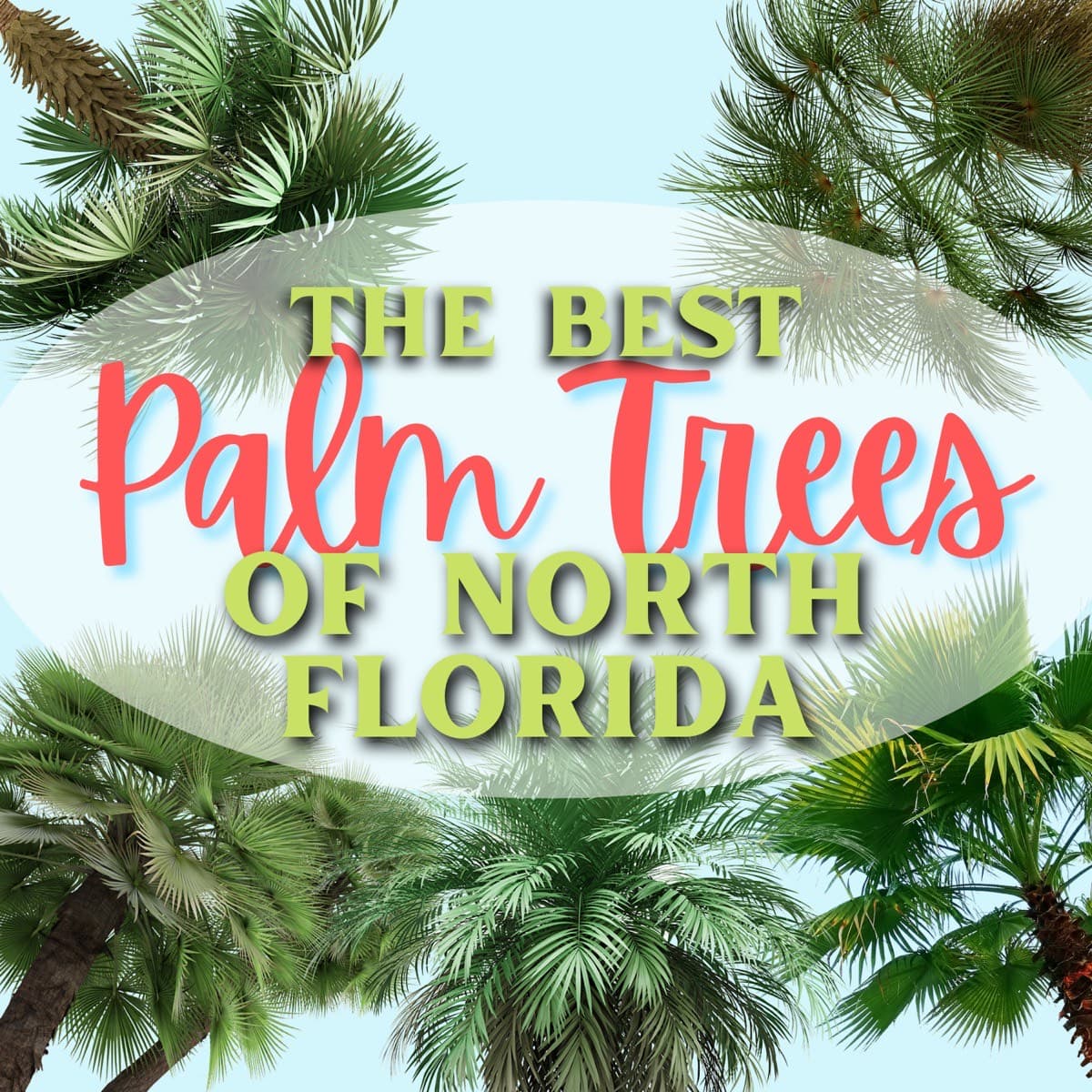
Palm trees add a distinctly Southern character to any Tallahassee landscape, but not every palm species is suited to North Florida's climate. Unlike South Florida, where tropical palms thrive year-round, the Tallahassee area sits in USDA Hardiness Zones 8b to 9a, which means winter lows can dip into the teens during occasional hard freezes. Choosing the right palm species for this region is essential if you want a tree that looks great and survives our unpredictable winters without turning into a brown, frost-damaged eyesore.
The Sabal palmetto, also known as the cabbage palm, is the state tree of Florida and arguably the most reliable palm for Tallahassee landscapes. It is native to the region, extremely cold-hardy, tolerant of both drought and wet soils, and requires very little maintenance once established. Sabal palms can handle temperatures well below freezing and they grow in a wide range of soil conditions, making them an excellent low-risk choice. The Windmill palm is another strong option for North Florida. Originally from China, this species is one of the most cold-tolerant palms in the world and features an attractive, compact form with distinctive hairy trunk fibers. It does best with some afternoon shade in Tallahassee's hot summers.
The Pindo palm, sometimes called the jelly palm, is a beautiful cold-hardy species that produces clusters of edible orange fruit. Its gracefully arching blue-green fronds make it a striking landscape specimen, and it handles our winters with ease. For homeowners looking for something a bit more dramatic, the Needle palm is a clumping species native to the southeastern United States that can withstand extreme cold -- it has been known to survive temperatures near zero degrees Fahrenheit. While it stays relatively small compared to trunk-forming palms, it works wonderfully as an accent plant or understory feature.
When planting palms in Tallahassee, timing matters. Late spring through early summer is generally the best planting window because it gives the root system several warm months to establish before winter arrives. Proper planting depth is critical -- palms should be set at the same depth they were growing at in the nursery, and the root ball needs consistent moisture during the first growing season. Avoid the temptation to plant tropical species like Royal palms or Coconut palms, which simply cannot survive our winters. If you need guidance selecting and planting the right palms for your property, Miller's Tree Service can help you choose species that will thrive in your specific site conditions.