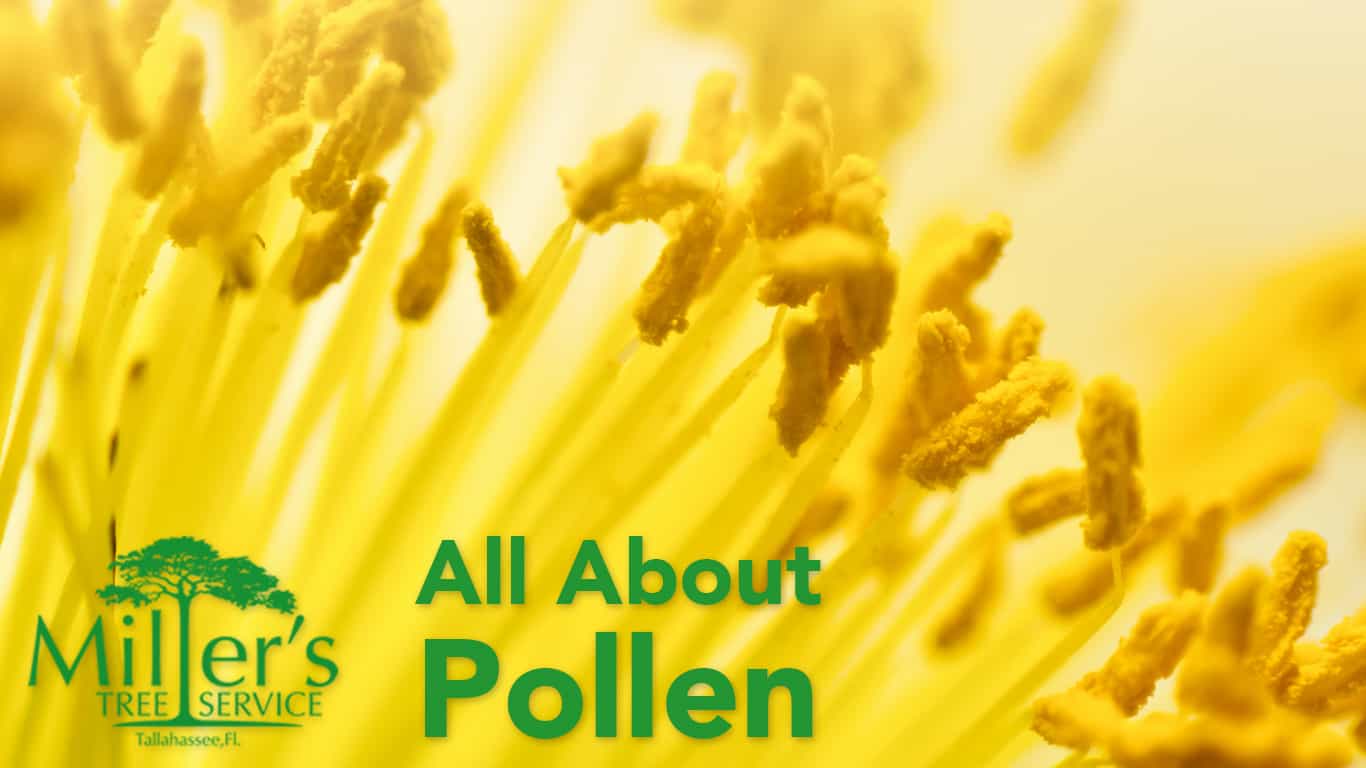
If you live in Tallahassee, you know the drill: sometime in late February or early March, every outdoor surface turns a hazy shade of yellow-green. Cars, porches, patio furniture, and even puddles of standing water get coated in a fine dusting of tree pollen. North Florida's pollen season is intense, driven largely by the massive number of oak and pine trees that dominate our urban forest. Understanding what is happening and which trees are responsible can help you manage the nuisance and make informed decisions about your landscape.
Oaks are among the first major pollen producers each spring in our area. Live oaks, which are evergreen, typically shed their old leaves and release pollen in March, sometimes creating what locals call "oak snow" as the spent catkins fall from the canopy. Water oaks and other deciduous oaks follow a similar schedule. Pine trees are the other major contributor -- their pollen is produced in enormous quantities and can travel remarkable distances on the wind. The yellow dust that blankets everything in spring is largely pine pollen. While pine pollen is highly visible, it is actually less allergenic than oak pollen for most people because its grains are large and heavy, meaning they are less likely to be inhaled deep into the lungs.
For allergy sufferers, the peak pollen weeks in Tallahassee can be genuinely miserable. There are some practical strategies that help, though. Keeping windows closed during high-pollen days, showering after spending time outdoors, and using a good air filter inside your home all make a difference. From a landscaping perspective, if you are planting new trees, you might consider species that are lower pollen producers or that produce heavier, insect-pollinated pollen rather than the wind-dispersed type. Female cultivars of certain species produce no pollen at all, though they may produce fruit or seeds instead.
It is worth remembering that pollen, despite the inconvenience, is a sign of a healthy and productive tree canopy. The oaks and pines that carpet Tallahassee in yellow every spring are the same trees that provide critical shade, reduce energy costs, support wildlife, and add tens of thousands of dollars in property value across the city. A few weeks of sneezing is a small price for one of the most beautiful urban tree canopies in the Southeast. If pollen buildup on your property is a consistent problem, strategic pruning to thin the canopy can reduce the volume somewhat without compromising tree health.