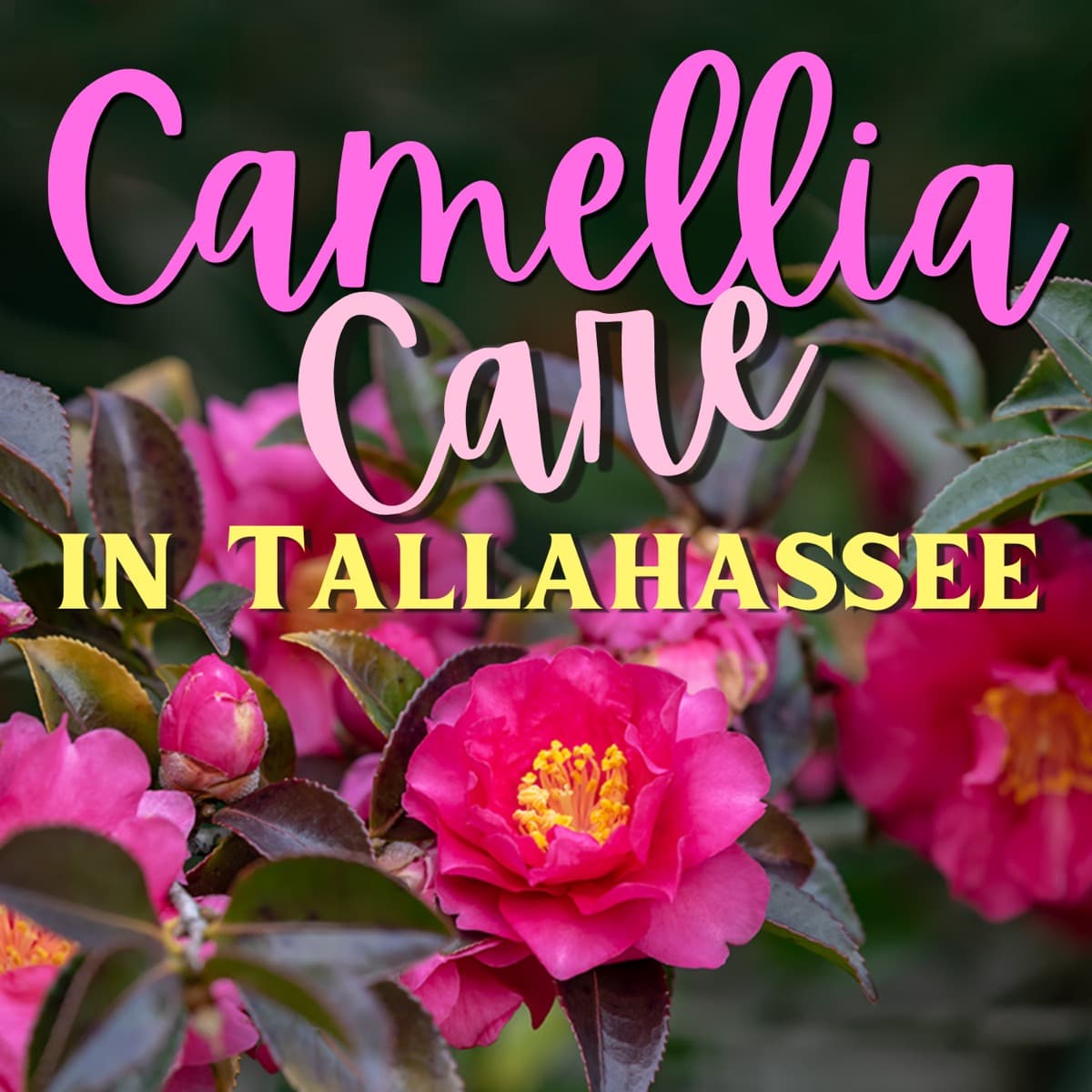
Camellias are one of the great treasures of Southern gardening, and Tallahassee's climate provides nearly ideal conditions for these elegant, long-lived shrubs. Blooming from fall through early spring -- precisely when most other plants are dormant -- camellias fill the landscape with sophisticated color during the quietest months of the year. Many older Tallahassee neighborhoods feature mature camellias that have been growing for decades, some reaching fifteen feet or more, and they remain among the most rewarding plants you can add beneath your existing tree canopy.
Two main species dominate Tallahassee gardens. Camellia sasanqua blooms in fall and early winter, typically from October through December, with smaller flowers and a somewhat looser growth habit. Camellia japonica follows with larger, showier blooms from January through March. Planting both species gives you nearly six months of continuous camellia flowers. Popular sasanqua varieties for our area include Yuletide, with its bright red blooms and compact form, and Shi Shi Gashira, which stays low and spreading. For japonicas, classics like Debutante, Professor Sargent, and Pink Perfection have been proven performers in North Florida for generations.
Proper siting and planting are critical to camellia success. These plants need well-drained, acidic soil and protection from hot afternoon sun -- the filtered light beneath mature oaks, pines, or magnolias is ideal. Planting too deep is the most common mistake homeowners make with camellias. The top of the root ball should be slightly above the surrounding grade, and a generous layer of mulch should cover the root zone without piling against the trunk. Water deeply during establishment and during dry periods, but avoid waterlogged conditions that promote root rot. Camellias have relatively modest fertilizer needs -- a single application of an acid-forming fertilizer in spring after flowering is typically sufficient.
Pruning camellias is best done immediately after they finish blooming. This timing allows the plant to set new growth and flower buds during summer without losing next season's display. Common issues in Tallahassee include petal blight, a fungal disease that causes brown spots on flowers during wet weather, and tea scale, an insect pest that appears as white or brown bumps on the undersides of leaves. Both are manageable with good cultural practices and targeted treatment when needed. If your property has mature trees that are casting too much dense shade for camellias to bloom well, selective canopy thinning by a professional arborist can open up just enough light to make a significant difference.