Tallahassee is known for its lush tree canopy, and most of us appreciate the shade, beauty, and wildlife habitat that our trees provide. But living among large trees also comes with responsibility. A tree that appears perfectly healthy from a distance can harbor structural weaknesses that make it a serious hazard during high winds or heavy rain. Knowing what to look for can help you catch problems early, before a limb drops onto your roof or an entire tree falls across your driveway.
One of the most obvious warning signs is dead or hanging branches in the upper canopy. These "widow makers" can break loose without warning, especially during the afternoon thunderstorms that roll through North Florida from May through September. Cracks in major limbs or the main trunk are another red flag, as they indicate internal stress that could lead to sudden failure. Look closely at where large branches meet the trunk -- if you see a deep, V-shaped attachment rather than a broad U-shape, that junction is structurally weaker and more prone to splitting under load. Fungal growth such as mushrooms or conks growing at the base of the tree or along the trunk often signals internal decay that has been progressing out of sight for months or even years.
Root problems are harder to detect but equally dangerous. If you notice the soil heaving or cracking on one side of a tree, or if the tree has developed a noticeable lean that was not there before, the root system may be compromised. Construction activity, grade changes, and prolonged soil saturation from poor drainage can all damage roots and destabilize a tree over time. In Tallahassee's sandy soils, trees with shallow root plates are especially vulnerable to uprooting during tropical storms and strong cold fronts that push through the region each year.
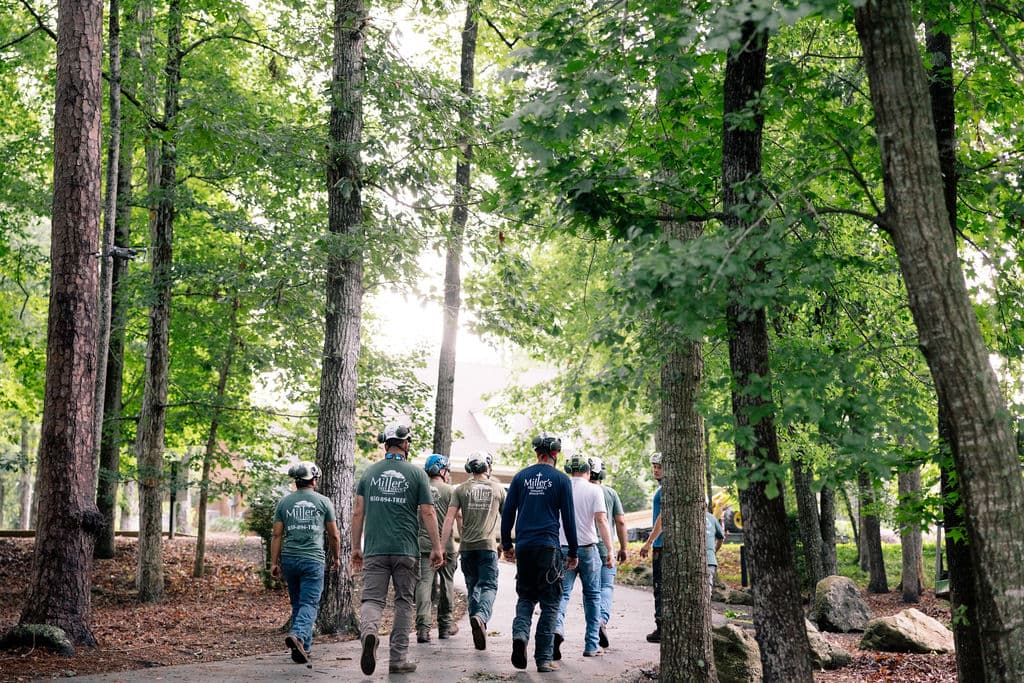
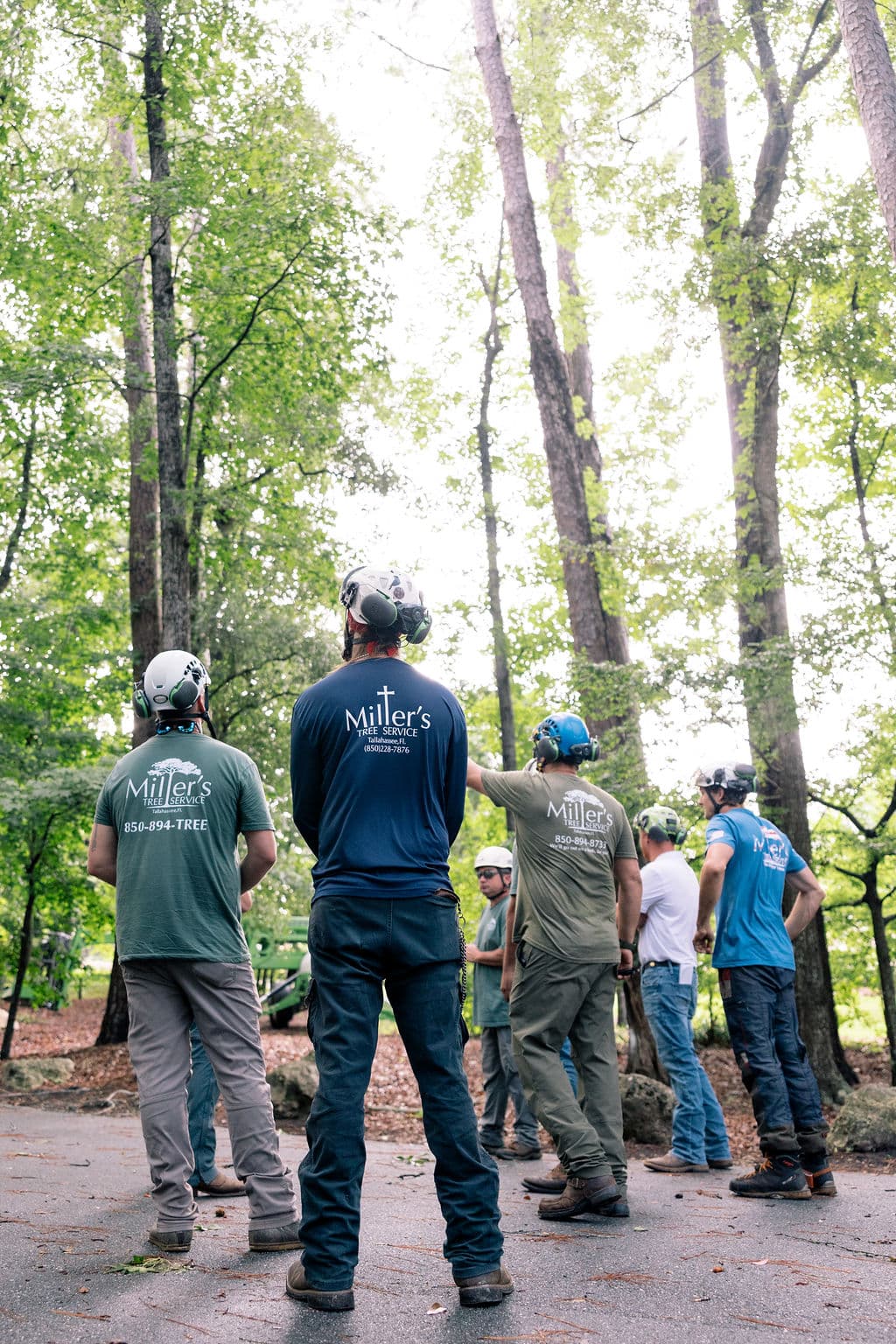
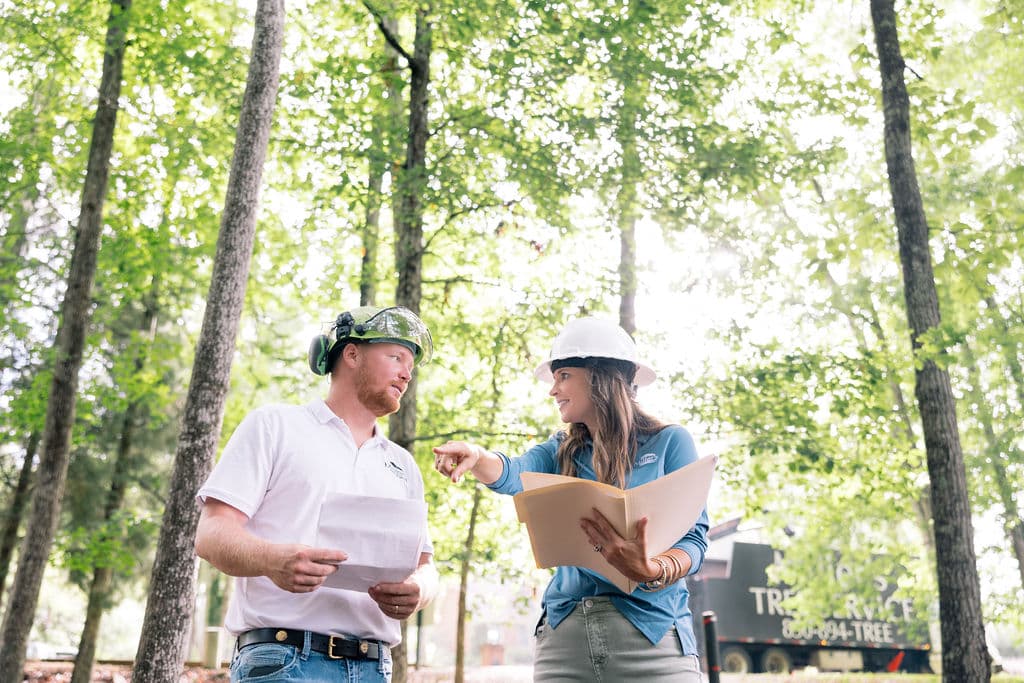
If you notice any of these warning signs on your property, the best course of action is to have a professional risk assessment performed sooner rather than later. At Miller's Tree Service, our arborists use a systematic approach to evaluate tree health and structural integrity, identifying issues that are easy to miss without trained eyes and the right diagnostic tools. In many cases, targeted pruning or cabling can reduce the risk without requiring full removal. The key is catching the problem before nature forces the decision for you. Give us a call to schedule an assessment and gain peace of mind about the trees around your home or business.