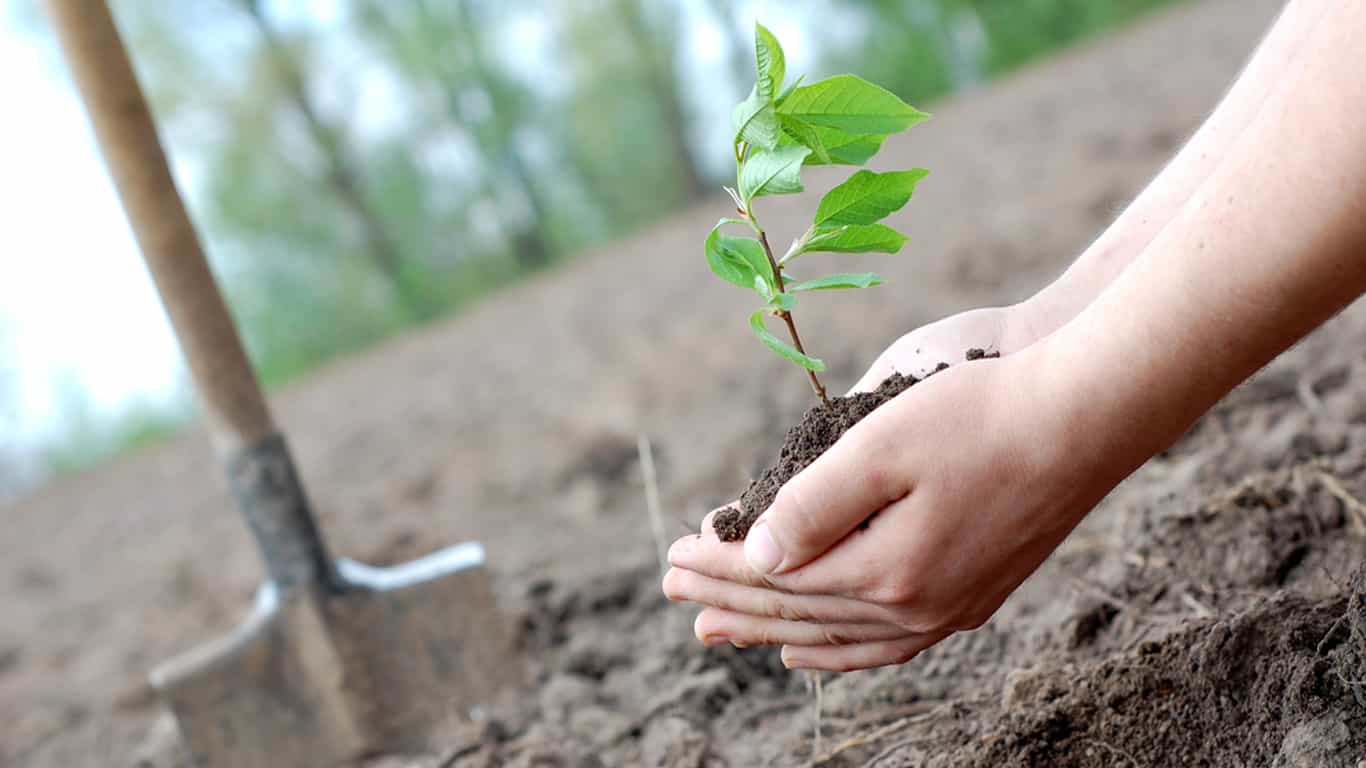
The sapling in your truck may one day shade the house. Its first afternoon in the yard matters: where you put it, how deep you plant it, and how you handle the roots. Take time with those choices before filling the hole.
Start with site selection. Consider the tree's mature size, not its current size. That three-gallon live oak sapling will eventually have a canopy spread of sixty feet or more, so planting it ten feet from your house is a decision you will regret in a decade. Check for overhead utility lines, underground pipes and cables, septic system components, and nearby structures. In Tallahassee, also consider sun exposure and drainage -- many of our soils have a clay layer that can create waterlogged conditions in low spots, which most tree species will not tolerate.
When planting a container-grown sapling, remove the pot and inspect the root ball carefully. Circling roots are extremely common in container stock and must be addressed at planting time. Use a sharp knife or pruning saw to score the root ball vertically in three or four places, cutting through any roots that have begun to spiral. If roots are severely pot-bound, tease them loose or butterfly the bottom third of the root ball. For balled-and-burlapped trees, remove all wire baskets, twine, and burlap from the top and sides of the root ball after positioning the tree in the hole. These materials can girdle roots and restrict growth if left in place.
Dig the hole two to three times wider than the root ball but only as deep as the root ball is tall. The root flare -- the point where the trunk begins to spread into the root system -- should be visible at or slightly above the finished grade. Backfill with the native soil you removed, not with amended soil or potting mix, which creates a textural boundary that roots may not cross. Water deeply immediately after planting, then maintain a consistent watering schedule of two to three deep soakings per week for the first growing season. Apply three to four inches of mulch in a wide ring around the tree, keeping it pulled back several inches from the trunk. With proper planting technique and attentive aftercare during the establishment period, your nursery sapling will be well on its way to becoming a mature, healthy tree that enhances your property for generations.