Planting a tree is one of the most rewarding things you can do for your Tallahassee property. A well-chosen tree provides decades of shade, beauty, and increasing property value. But the decisions you make at planting time -- which species, what size, where to place it, and how to plant it -- determine whether that tree becomes a thriving asset or a long-term problem. Taking time to plan before you dig is the most important step in the entire process, and it is the one most homeowners rush through.
Species selection starts with your site, not your wish list
Species selection should be driven by your site conditions, not just personal preference. Start by evaluating the planting location: How much sun does it receive? Is the soil sandy, clay-heavy, or somewhere in between? Is there room for the tree's mature canopy and root system? Will the tree be near power lines, structures, or underground utilities? Tallahassee soils tend to be heavy clay in many neighborhoods, which limits drainage and favors species adapted to those conditions. Live oaks, bald cypresses, red maples, sweetgums, and Southern magnolias all perform well in our typical soil types. Avoid planting species that need fast-draining soil unless you are willing to amend the site extensively. Also consider the tree's mature size -- a tree that will grow sixty feet tall and wide needs a very different location than one that tops out at twenty feet.
How to plant a tree the right way
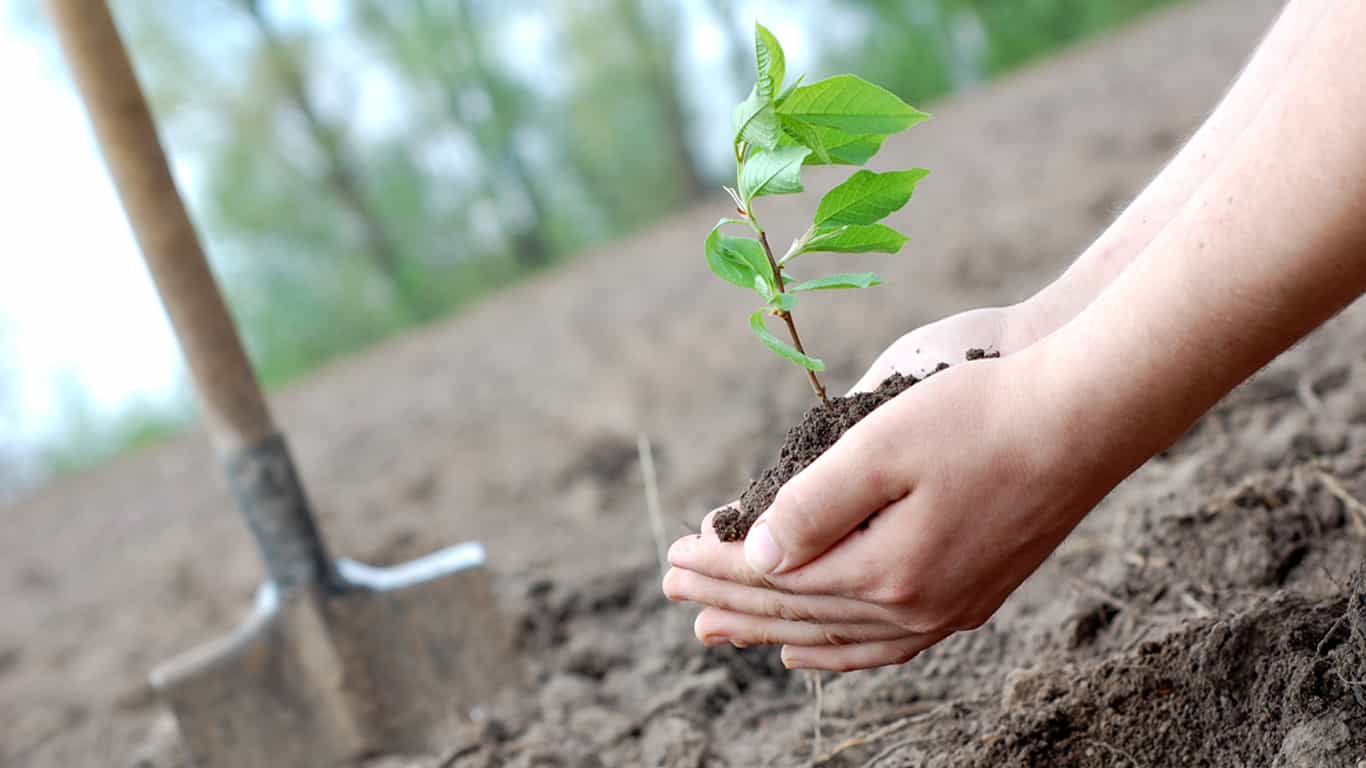
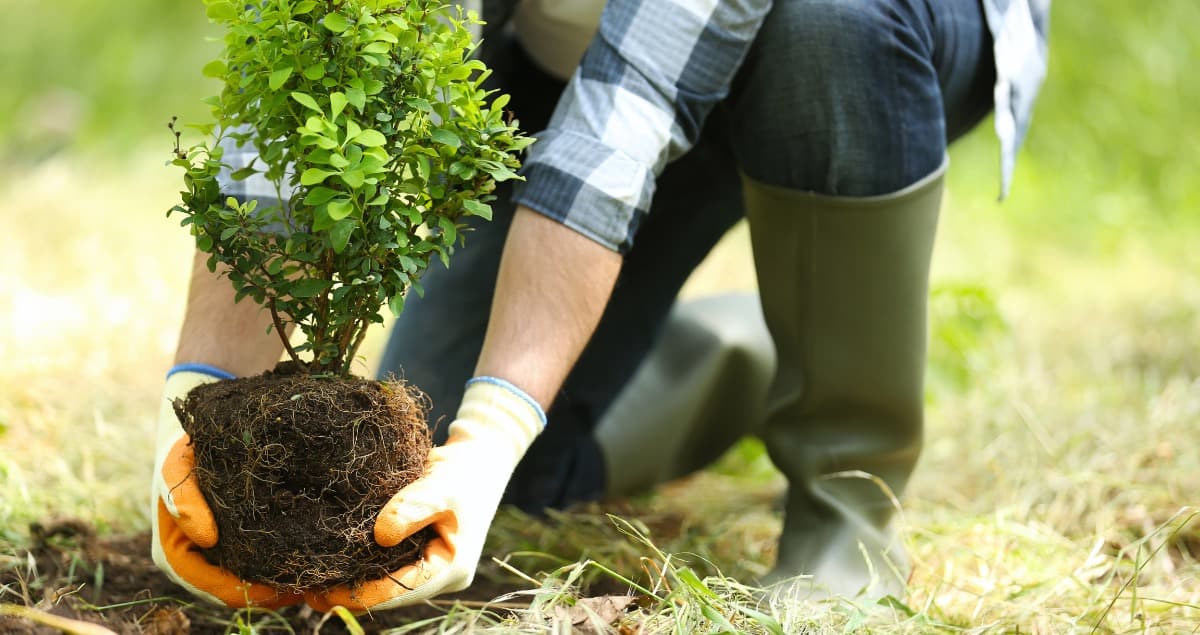
Proper planting technique makes a significant difference in whether your new tree establishes quickly or struggles for years. The most common and damaging mistake is planting too deep. The root flare -- the point where the trunk widens at the base and the first major roots emerge -- should be visible at or slightly above the soil surface after planting. If the root flare is buried, the tree is too deep, and this can lead to circling roots, trunk decay, and slow decline over time. Dig the planting hole two to three times wider than the root ball but no deeper than the root ball's height. Backfill with the native soil you removed rather than amended soil, which can create a bathtub effect where water pools around the roots.
Water, mulch, and the first two years
After planting, water deeply and consistently for the first one to two years. New trees in Tallahassee need supplemental irrigation during dry periods even after our rainy season ends, because their root systems have not yet spread far enough to access moisture in the surrounding soil. Mulch the area around the tree with a three- to four-inch layer extending out to the drip line, keeping mulch several inches away from the trunk. Staking is usually only necessary for very tall, top-heavy nursery stock or in windy, exposed locations -- most trees establish faster when they can flex naturally in the wind. Miller's Tree Service assists homeowners with species selection, site evaluation, and professional planting to give your new tree the best possible start.