How to Protect Your Trees During Hurricane Season in Tallahassee

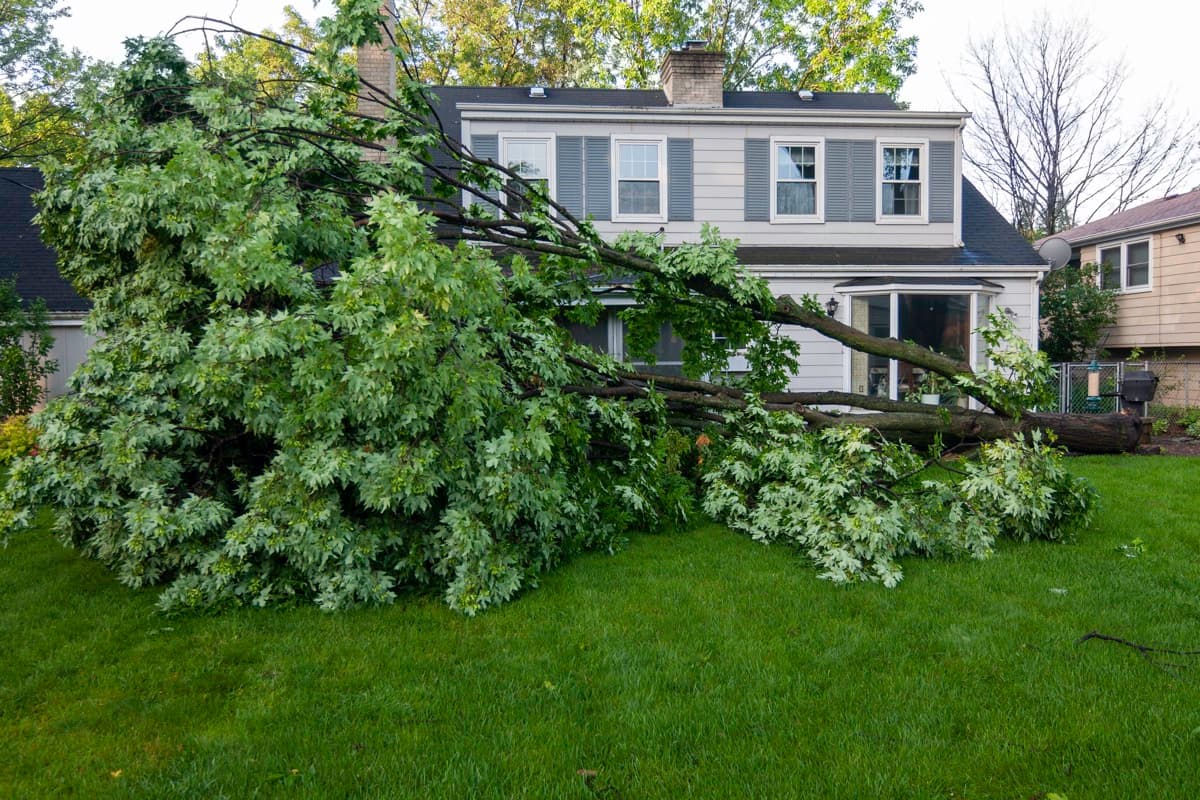
There is a particular kind of regret I encounter frequently in late summer and fall: a homeowner standing in a yard where a large tree has failed, looking at a preventable outcome. The storm itself wasn't unforeseeable. Neither, in most cases, was the tree's vulnerability. What was missing was the window of time — available every spring and early summer — to address it.

Hurricane season in Florida runs officially from June 1 through November 30, with peak statistical risk in North Florida concentrated between mid-August and mid-October. That predictable calendar creates a preparation window that most homeowners consistently underuse.

What follows is how I think about tree protection before a storm season — not just as a list of actions, but as a coherent system that addresses the right problems in the right order.

Miller's Tree Service 5-point hurricane season tree preparation checklist

Start With a Professional Risk Assessment

The most important thing you can do before hurricane season is have your significant trees assessed by an ISA Certified Arborist — specifically, one holding the Tree Risk Assessment Qualification (TRAQ). This isn't a sales argument. It's a sequencing argument: you cannot intelligently prioritize tree care without an accurate picture of what you actually have.

A TRAQ assessment evaluates three primary factors for each tree: likelihood of failure (the probability that a given tree component will break or uproot under specified loading conditions), likelihood of impact (the probability that a failed part will strike a target), and consequences of impact (the severity of the outcome if it does). The combination of these factors produces a risk rating that tells you where your preparation resources will have the most effect.

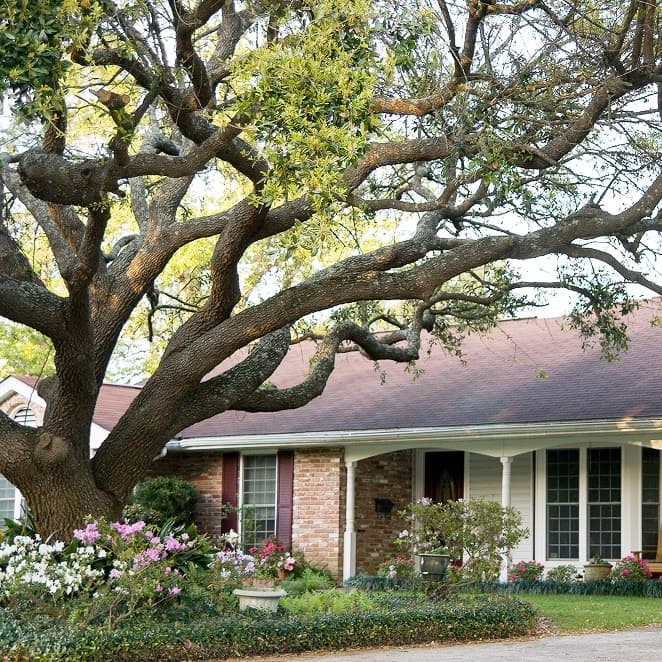
A mature live oak over your home's roofline and a small crape myrtle near the property boundary represent fundamentally different risk profiles. Managing them as equivalent is the kind of error that produces the preventable outcomes I described at the outset.

Structural Pruning

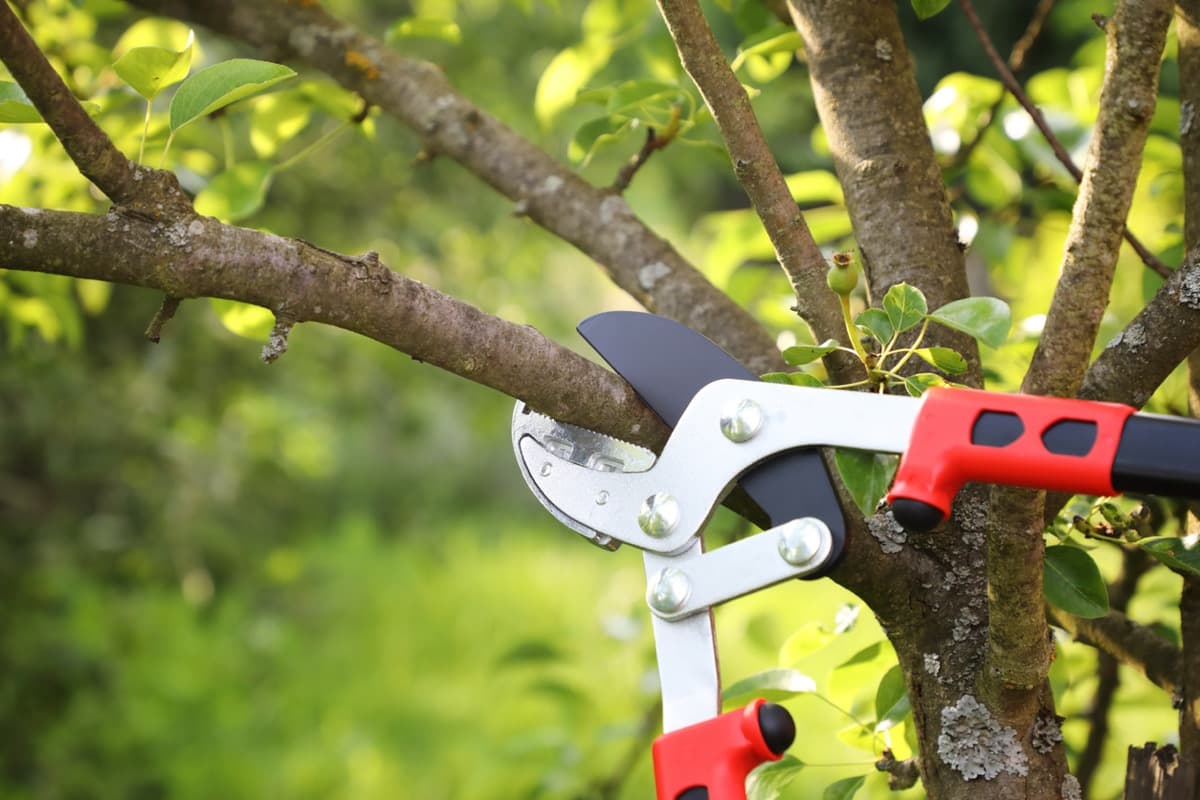
The single most effective intervention for reducing storm-related tree failure is structural pruning — selective removal of branches that increase wind resistance, create weak structural attachments, or introduce imbalance into the crown architecture.

Crown-raising (removing lower branches to elevate the base of the canopy) reduces the tree's wind sail without compromising structural integrity. Crown-cleaning (removing dead, dying, crossing, and weakly-attached branches) eliminates the first failure points in a wind event. Crown-thinning, executed conservatively, can reduce wind load on the canopy as a whole without compromising the tree's long-term structural development.

Timing matters here. Structural pruning should be completed at least thirty days before the anticipated storm season for pruning wounds to begin compartmentalizing. Pruning immediately before or during an active storm watch is minimally effective and potentially dangerous to the crew performing it.

Cabling and Bracing

Multi-stem trees and trees with included bark — a condition where two co-dominant stems grow tightly together and develop a weak, embedded bark connection rather than a solid wood union — represent a disproportionate share of catastrophic storm failures in Tallahassee. The failure mode is predictable: the included bark connection acts as a fracture plane under lateral wind loading.

Cabling installs a flexible high-strength cable between co-dominant stems, limiting the range of motion that would allow the connection to separate. Bracing installs a rigid threaded rod through both stems near the defect to provide direct structural reinforcement. These are permanent interventions requiring professional installation and periodic inspection. When installed correctly on the right candidate, they extend the functional lifespan of a structurally vulnerable tree by decades.

They are not appropriate for every tree — some candidates with included bark have progressed to a point where the wood no longer supports the hardware — but they should be part of the conversation for any large, multi-stem tree near a structure.

Root Zone Management

The most overlooked component of storm preparation is root zone health. A tree's resistance to uprooting is a direct function of its root system's extent and vitality — both factors compromised by soil compaction, root damage, and drought stress.

Entering storm season with drought-stressed trees is particularly consequential. Trees under moisture stress have reduced turgor pressure in their tissues, which affects mechanical flexibility and the capacity to compartmentalize injury. A deep-root fertilization and irrigation program implemented in spring provides measurable benefits by the time peak storm season arrives.

Keep the root zone — the area extending from the trunk to the canopy drip line and beyond — free of compaction from vehicles and heavy equipment. Even a single season of construction traffic over the root zone of a mature tree can create compaction that persists for years and progressively compromises root function.

Young and Newly Planted Trees

Newly planted and young trees require specific hurricane preparation distinct from what applies to mature specimens. Stake systems, appropriate during establishment, should be removed once the tree can stand independently — typically six to twelve months after planting. Stakes left in place beyond this point prevent the trunk from developing the reaction wood necessary to resist wind loading, paradoxically making the tree more susceptible to stem failure rather than less.

Before a named storm, remove all supplemental stakes and ties from young trees. Counter-intuitively, allowing the tree to flex freely is generally preferable to attempting to hold it rigidly in place with improvised staking that may fail under load anyway.

The Honest Assessment

Some trees, after thorough assessment, represent unacceptable risks regardless of available interventions. A tree with advanced internal decay, severe root damage, or documented structural defects at critical union points may present a risk profile that cannot be meaningfully reduced through pruning, cabling, or other management. In those cases, removal before storm season — while you have time to plan and execute it properly — is the responsible outcome.

I understand the attachment people feel toward mature trees, and I never recommend removal as a first resort. But I understand what I see in the aftermath of preventable tree failures: structural damage, vehicle damage, and occasionally personal injury that a prior assessment would have flagged as foreseeable.

If you haven't had your trees assessed before this hurricane season, there's still time to do it properly. Contact Miller's Tree Service to schedule a pre-season consultation, and let's make sure your trees are positioned to weather whatever the Atlantic basin sends our way.

About the Author

Katie Watkins is a Sales Arborist at Miller's Tree Service in Tallahassee, FL, specializing in tree health care and helping customers make informed decisions about the long-term well-being of their trees. She holds her ISA Certified Arborist credential (FL10270A) and is Tree Risk Assessment Qualified (TRAQ) by the International Society of Arboriculture. Katie has been part of the Miller's team since 2015. Follow her on Instagram at @katiethetreelady.

Special Offer!

Free Tree Disease Assessment

14 Days Left!