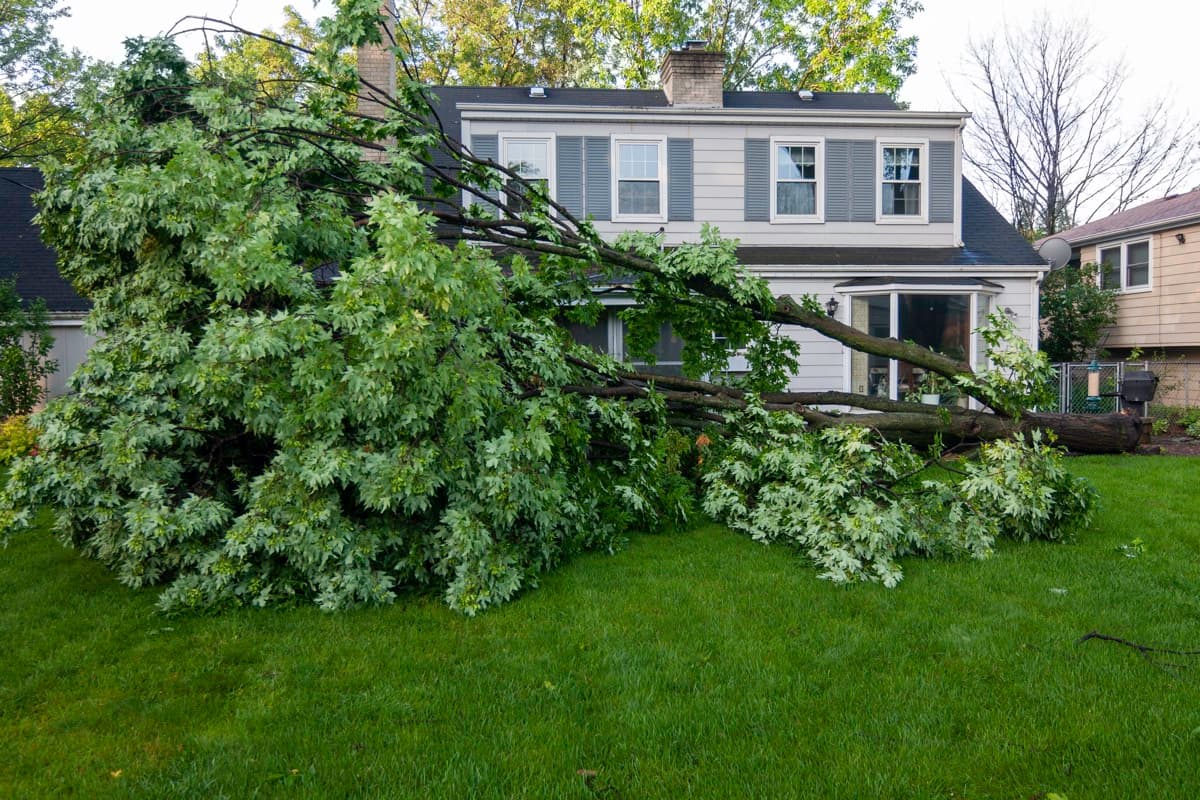
Add your trees to the storm-preparation list. Dead limbs and weak branch structures are worth assessing while there is time to schedule work. Pruning can reduce some hazards, though no pruning plan can guarantee that a tree will survive a storm.
The physics: less wind sail, fewer projectiles
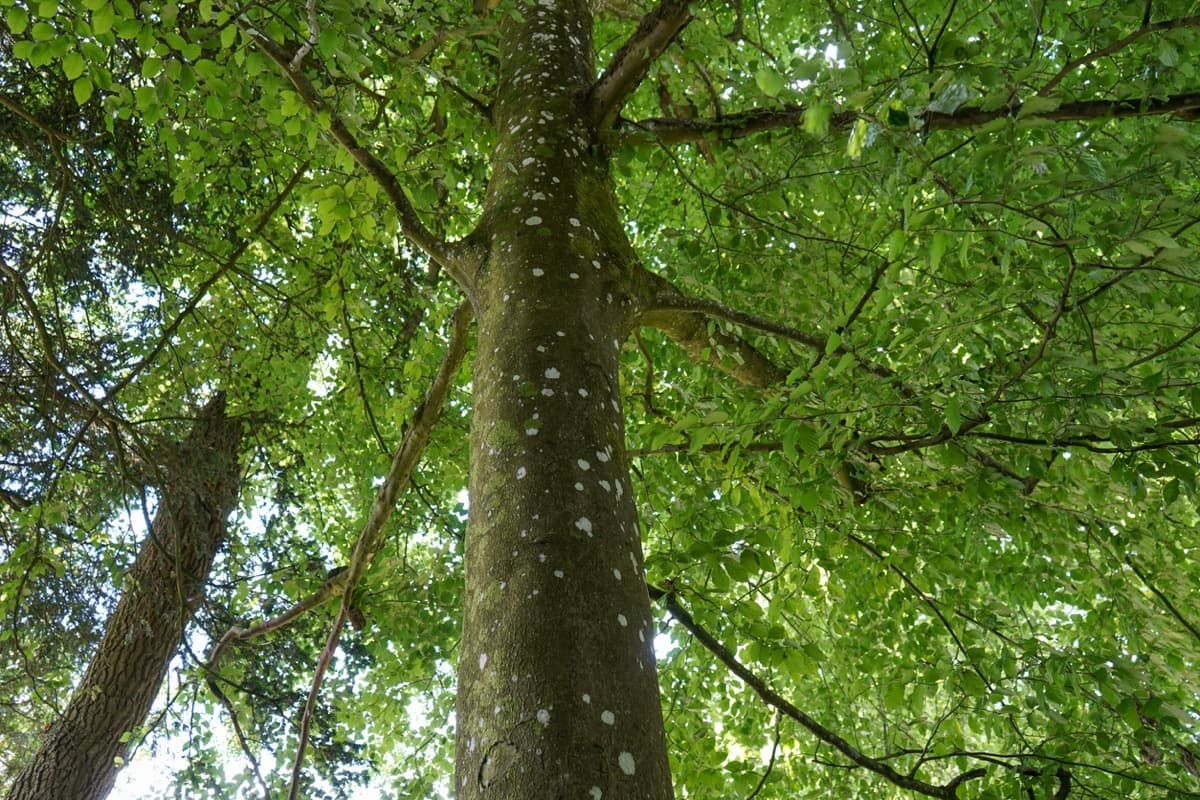
The physics are straightforward. Wind force on a tree increases with the density and surface area of its canopy. A tree with a thick, unpruned crown catches significantly more wind than one that has been selectively thinned to allow air to pass through. Crown thinning -- the careful removal of a percentage of interior branches to open up the canopy -- is one of the most valuable pruning techniques for storm resistance. When done correctly, it reduces wind sail without changing the tree's overall shape or removing more than about fifteen to twenty percent of the foliage — a limit the ANSI A300 pruning standards treat as the upper bound for healthy crown thinning. Deadwood removal is equally important, because dead branches have no flexibility and tend to snap and become projectiles in high winds, damaging structures, vehicles, and other trees.
Structural pruning fixes the weak points before the wind finds them
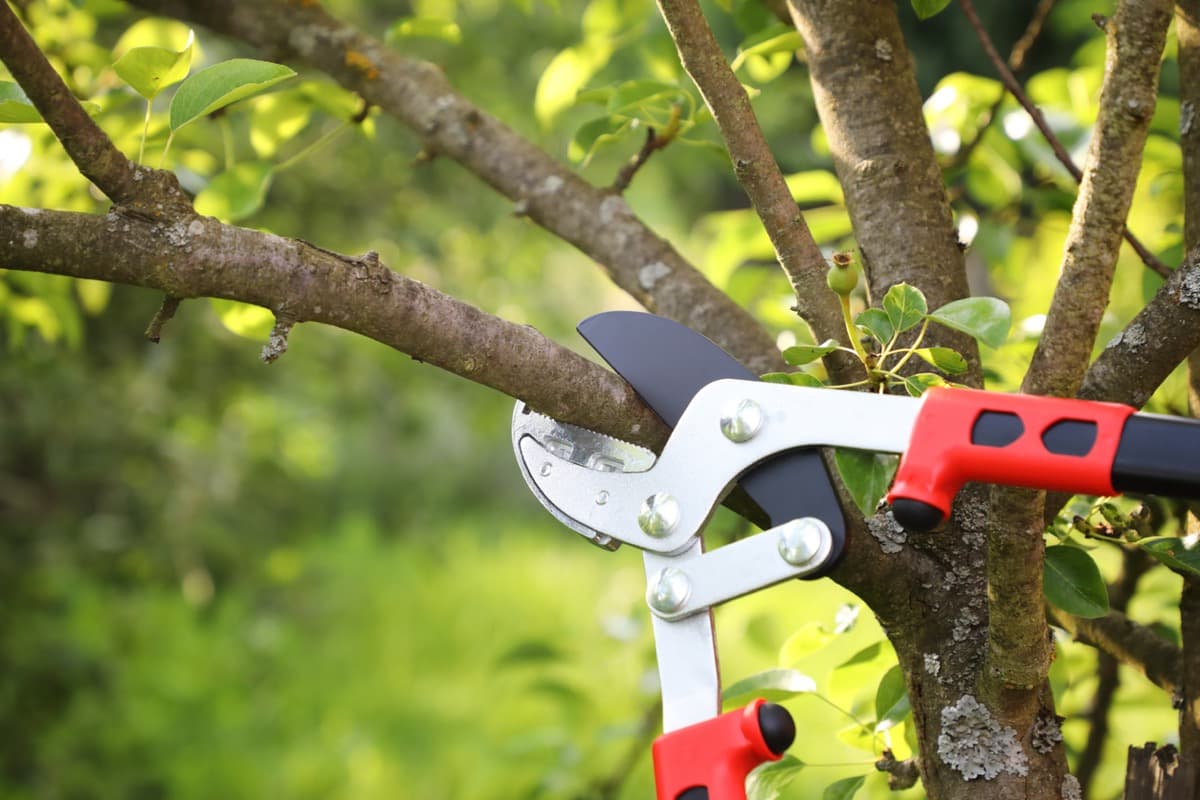
Structural pruning addresses a different but equally critical risk factor. Trees with co-dominant stems, narrow branch angles, crossing limbs, or excessively long laterals are all structurally weaker than those with a single central leader and well-spaced scaffolding branches. Corrective pruning performed over time can improve the architecture of a young tree so that it grows into a strong, wind-resistant form. For mature trees where structural defects are already established, targeted reduction cuts can reduce the weight and leverage on weak points. Removing or shortening branches that extend far beyond the rest of the canopy reduces the uneven loading that can torque a tree during shifting wind gusts -- a common cause of failure during tropical storms.
Do it before the storm season, not during it
The key to effective storm-prep pruning is doing it before the storm season, not in a panic as a system approaches. UF/IFAS research on hurricane-tolerant trees found that the trees that came through Florida's worst hurricanes intact had two things in common: species selection and a history of structural pruning — neither of which can be added the week before landfall. Pruning should be part of an ongoing maintenance cycle rather than a one-time emergency measure. In Tallahassee, the ideal time to perform most storm-prep pruning is during the late winter or early spring, which allows the tree to compartmentalize pruning wounds during the growing season and gives you several months of buffer before hurricane season begins in June. Miller's Tree Service has been helping Leon County homeowners prepare their trees for severe weather for years. Our arborists develop pruning plans tailored to each tree's species, age, condition, and location relative to targets on your property. A professional pruning cycle is the most cost-effective storm insurance you will ever buy.