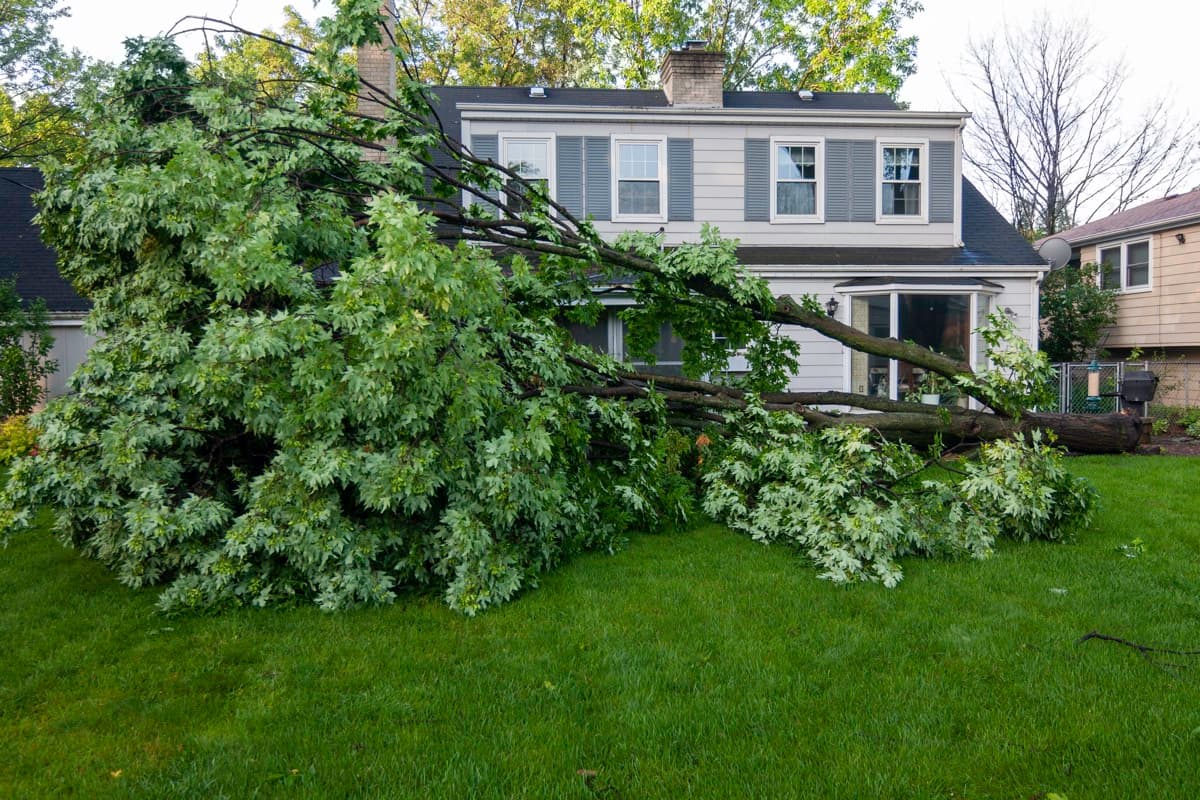
Every hurricane season, Tallahassee residents see the aftermath -- massive trees uprooted, trunks snapped in half, and heavy limbs driven through roofs and fences. While severe weather is the obvious trigger, the real causes of tree failure during storms are almost always conditions that existed long before the wind picked up. Understanding these underlying factors is the key to reducing risk on your property, because the trees most likely to fail in a storm are the ones that were already compromised by structural defects, root problems, or disease.
Root failure: North Florida's #1 storm-failure mode
Root failure is the most common mode of tree failure in our region. UF/IFAS post-storm assessments consistently rank uprooting as the dominant failure mode after Florida hurricanes — ahead of trunk and branch breakage combined. North Florida's soil profile -- a shallow layer of clay or organic matter over deep sand -- provides relatively poor anchorage for large trees compared to areas with deeper, more cohesive soils. When heavy rains saturate the ground before or during a storm, the soil loses much of its holding capacity, and trees with compromised or shallow root systems can topple over entirely. This is especially common with laurel oaks, which tend to develop shallow root plates, and with any tree whose roots have been cut or compacted by construction, grade changes, or hardscape installation. Trees surrounded by pavement or confined to small planting areas are also at higher risk because their root zones are restricted.
Structural defects in the trunk and canopy
Structural defects in the trunk and canopy are the other major contributor to storm failures. Co-dominant stems -- where the trunk splits into two or more leaders of roughly equal size -- create a weak point that can split apart under wind load, particularly if the union has included bark, which prevents the wood fibers from interlocking properly. Trees that have been topped in the past often develop dense clusters of weakly attached regrowth that are prone to breaking. Dead branches, cavities, and internal decay all reduce the tree's ability to withstand the bending forces generated by high winds. Species matters too -- fast-growing, soft-wooded trees like water oaks, laurel oaks, and Bradford pears are inherently more brittle than slower-growing hardwoods like live oaks and bald cypress. Mary Duryea's UF/IFAS work on which species survived Florida's hurricane seasons puts live oak and bald cypress at the top of the wind-resistance list, and species like laurel oak and water oak near the bottom.
How to prevent storm failures on your property
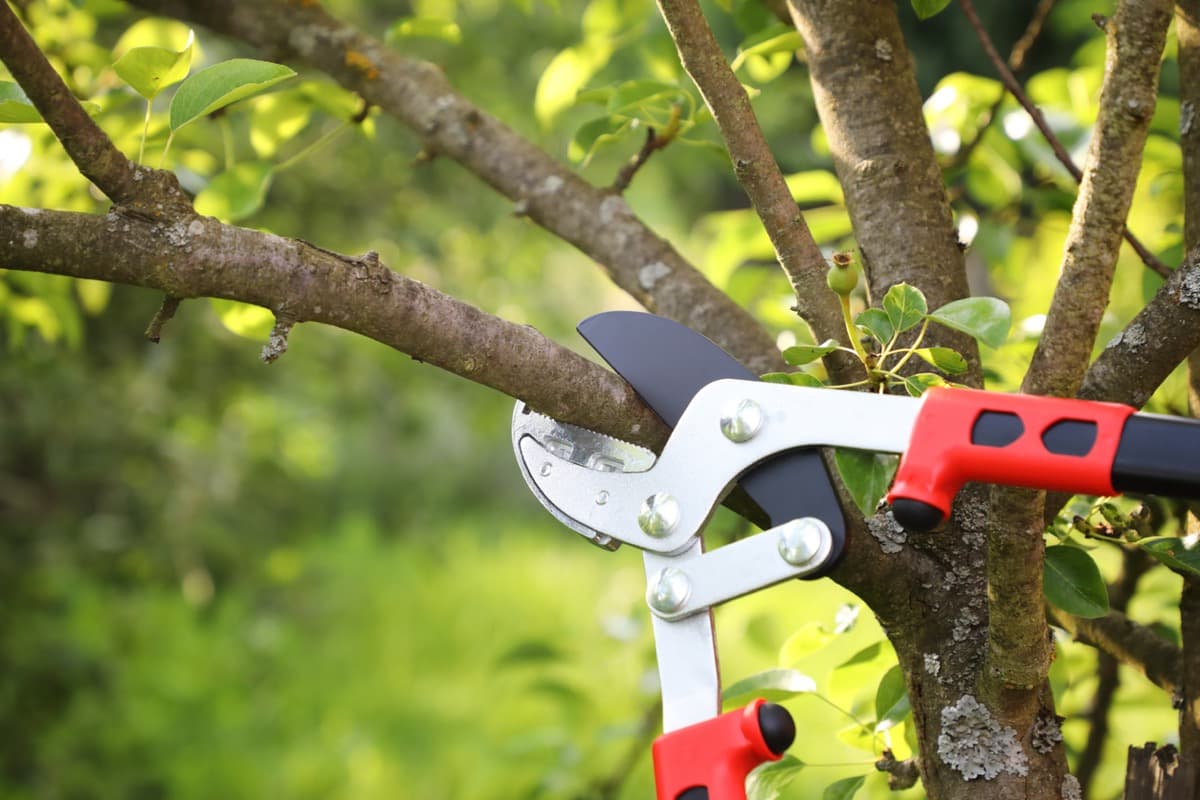
The good news is that most storm-related tree failures are preventable with proactive care. Regular structural pruning reduces wind resistance by thinning the canopy and removing deadwood, crossing branches, and poorly attached limbs. Cabling and bracing can stabilize co-dominant stems and heavy lateral branches. Maintaining healthy root zones by avoiding soil compaction, preserving adequate unpaved area around trunk bases, and addressing drainage issues all contribute to better anchorage. Miller's Tree Service specializes in pre-storm tree assessments throughout Leon County, identifying the specific vulnerabilities on your property and addressing them before the next big weather event arrives. A few hours of professional attention now can prevent thousands of dollars in storm damage later.