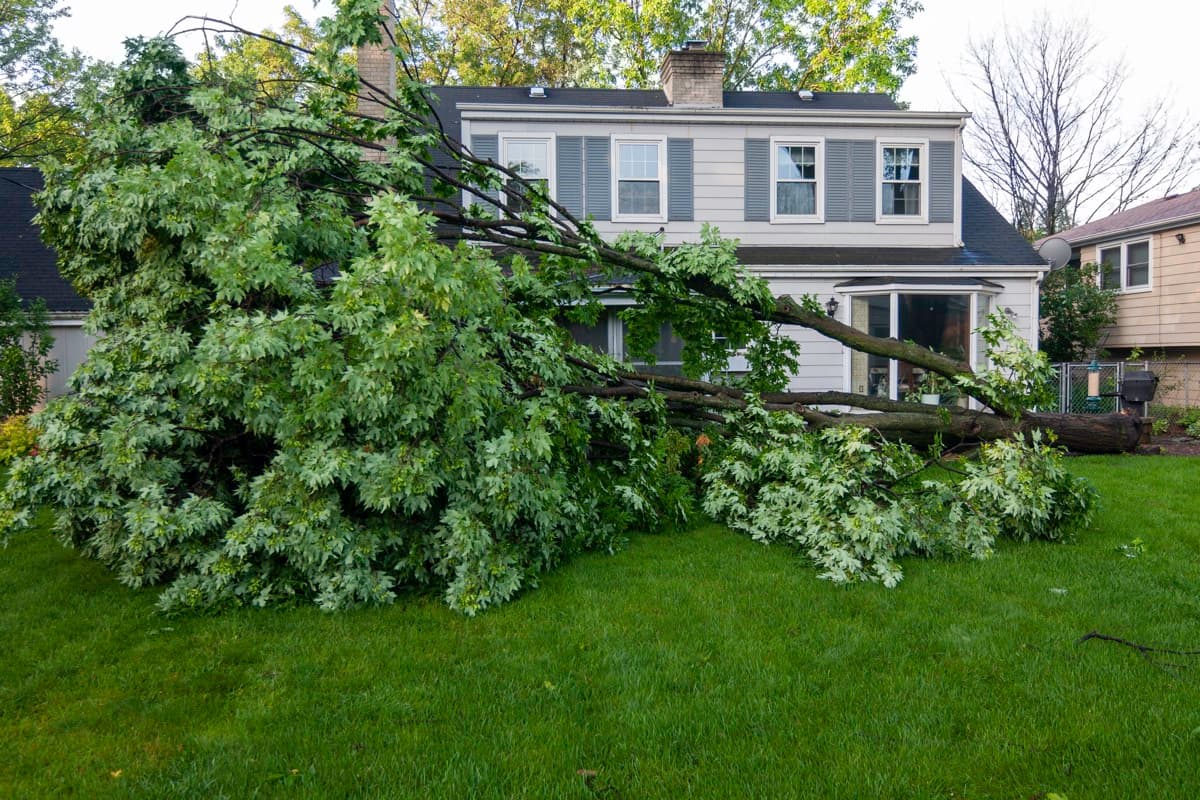
A large tree beside the house can make hurricane season feel personal. Size alone, though, does not tell you whether it should come down. An assessment of its roots, trunk, branches, and surroundings gives you a better basis for that decision.
Healthy trees with strong root systems and balanced canopies are engineered by nature to handle wind. Species native to North Florida, like live oaks, bald cypresses, and longleaf pines, have evolved over millions of years to withstand the tropical and subtropical storms common to this region. A mature live oak with a broad, spreading crown and extensive lateral root system is one of the most wind-resistant trees in the southeastern United States. Studies after major hurricanes consistently show that well-maintained native trees survive at much higher rates than neglected or improperly pruned trees.
The key distinction is between healthy trees and compromised ones. Trees with structural defects -- decay, co-dominant stems with included bark, root damage from construction, or significant lean -- do present elevated risk during storms and may warrant removal. But a tree that is vigorous, well-rooted, and properly pruned should not be taken down simply because storm season is coming. Removing large canopy trees also eliminates the substantial benefits they provide, including shade that can reduce cooling costs by up to thirty percent, property value increases of ten to twenty percent, stormwater absorption, wildlife habitat, and air quality improvement.
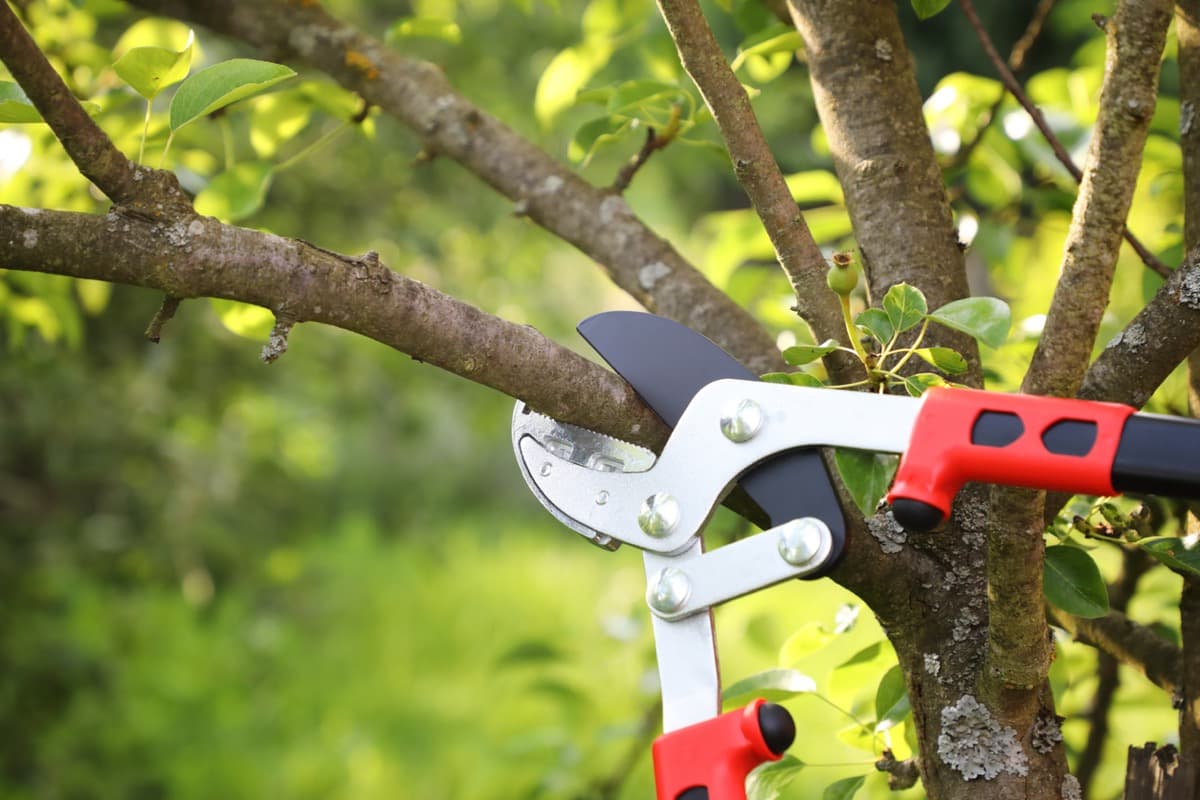
Instead of removing healthy trees, invest in regular maintenance that keeps them structurally sound. Have a certified arborist inspect your trees every few years and address any developing issues through targeted pruning or cabling. Keep root zones healthy by maintaining mulch rings and avoiding soil compaction from parking or construction. If a specific tree genuinely concerns you, get a professional risk assessment rather than jumping to removal. More often than not, modest maintenance investments keep healthy trees safe through even severe weather events, and your property retains all the ecological and financial value that mature trees provide.