Most "failed tree" calls aren't really species problems.
A dogwood planted in full sun. A magnolia jammed against a foundation. A live oak put 12 feet from the house and now lifting the driveway. A water oak chosen because "it grows fast" and now hollow at 50.
None of those are bad trees. They're trees in the wrong places.
The ISA Certified Arborist Study Guide is explicit that tree selection starts with site analysis — a structured evaluation of the planting location — before anyone names a species. Most homeowners do it the other way around: pick the tree first, hope the site works. That's how you end up with the magnolia at the foundation.
Here's the framework arborists actually use.
Step 1: Honest Site Analysis
Before naming any tree, walk the site with a clipboard mentality. The ISA Study Guide groups the questions into four categories.
Climate
- Hardiness zone. Tallahassee is USDA Zone 8b — winter lows around 15–20°F. Species that need colder winters (sugar maple, paper birch, most spruces) don't thrive here. Species rated to colder zones often do — but heat tolerance matters too.
- Heat tolerance. A tree's "hardiness zone" only tells you about winter cold. Many trees that survive Tallahassee winters fail in our summers because they can't handle sustained 90-plus-degree days and the radiant heat off pavement.
- Rainfall pattern. Tallahassee gets about 60 inches a year, concentrated in summer thunderstorms with a reliable spring dry season. Trees that need consistent moisture all year may struggle without irrigation.
- Prevailing winds and exposure. Hurricane corridor. A tree that needs shelter from wind to develop strong structure does worse on an exposed lot than a sheltered one.
Soil
- pH. Tallahassee residential soils run anywhere from 5.0 to 7.5+ depending on whether the lot was filled, how close it is to limestone-based building materials, and original geology. A soil test is cheap; making this assumption can be expensive.
- Drainage. Does water pond after rain? How long? A site that holds water for hours after a normal storm needs trees that tolerate wet feet (bald cypress, sweetbay magnolia, red maple) — not trees that need fast drainage.
- Texture. Sand-dominant (most of Tallahassee), clay-dominant (less common but happens near rivers and in some neighborhoods), or loam. Drains, water-holding capacity, and nutrient retention all follow.
- Bulk density. Translation: how compacted is it? If a soil probe meets immediate resistance, the site is compacted and trees needing deep root development will struggle.
- Soil volume. How much rootable space is actually available? A tree planted between a sidewalk and a driveway in a 4-by-8-foot strip of soil cannot grow the root system of a healthy mature tree, no matter how good the species choice.
Planting Site
- Above- and below-ground utilities. Power lines overhead. Gas, water, sewer, fiber underground. Call 811 before you dig. A live oak under a 25-foot power line is a future expensive problem.
- Buildings and structures. Foundations, septic drainfields, patios, pools. A tree's mature canopy spread should fit the space; its root system shouldn't conflict with anything underground it can damage.
- Paved surfaces nearby. Heat reflection off pavement raises the effective temperature significantly. Surface roots will lift sidewalks if there's nowhere else for them to go.
- Intended use of the site. People will walk under this tree. They'll mow around it. Children will play near it. Kids will climb it. Dogs will scratch it. That all factors in.
Maintenance Reality
- Will it get irrigated for the first two years? New trees need consistent water during establishment. If no one will reliably water it, pick a more drought-tolerant species — not a thirsty one with a vague hope.
- Who's pruning it as it grows? Trees benefit from structural pruning when young. If no one's going to do that, the species choice should err toward trees with naturally strong structure.
Most homeowners skip the site analysis entirely and pick a tree at the nursery. The next ten paragraphs almost don't matter compared to this one.
Step 2: Set the Functional Goal
Why are you planting this tree? The ISA framework names a few common functions:
- Shade — usually for a roof, patio, lawn, or window. Wants a broad-canopied deciduous tree on the west or southwest side of the house.
- Screening — visual or auditory privacy. Wants something evergreen or near-evergreen with dense lower foliage.
- Windbreak — typically a row of evergreens perpendicular to prevailing winds.
- Wildlife habitat — native species, fruit-bearing, layered.
- Focal point / ornamental — flowering, distinctive form, fall color, exfoliating bark.
- Property line / boundary — durable, long-lived, doesn't drop a lot of debris on the neighbor.
The function determines a lot. A tree planted "for shade" needs to actually shade the thing you want shaded — which means thinking about the sun angle at the time of year that matters and the tree's mature canopy spread, not the 8-foot sapling at the nursery.
Step 3: Match Tree Characteristics to Site and Goal
Only now does the species shortlist start. The ISA Study Guide identifies characteristics to evaluate:
- Hardiness and heat tolerance — already covered in site analysis
- Growth habit and mature size — height and spread at maturity, not at planting
- Root zone requirements — surface-rooting species (silver maple, water oak) versus deeper-rooting ones (live oak, southern magnolia)
- Drought tolerance — once established, can it handle a dry spring?
- pH range — what soil chemistry will it actually thrive in?
- Pest and disease resistance — what's known to attack this species in our region?
- Nuisance potential — fruit drop, twig drop, allergenic pollen, surface roots, thorns
The ISA Study Guide is blunt about a recurring mistake: fast-growing trees are tolerant of poor soil conditions and provide quick benefits, but typically have weak, brittle wood, develop weak branch unions, and don't live as long as slower-growing species. Water oak, silver maple, Bradford pear, Chinese tallow — the trees that look established in five years are the trees we're removing in fifty.
Slower-growing trees with better structure compound over the long run. A live oak takes 60 years to fill a yard. It then stays for 200.
Step 4: Healthy Planting Stock
If you've done steps 1–3 honestly and chosen a species the site can actually support, the last step is to buy a healthy specimen.
- Root flare visible above the soil line in the nursery container — not buried two inches deep
- No circling or kinked roots at the container wall
- Single dominant leader at the right height for the species
- Good trunk taper — gradually thicker from canopy to base
- No major scars, cracks, or wounds on the trunk
- Foliage color and vigor consistent with a healthy tree of that species
A great nursery tree planted at the wrong site will struggle. A poor nursery tree planted at the right site will struggle too. You need both right.
The Tallahassee-Specific Shortlist
If we did this analysis on a typical Tallahassee yard with average soil, decent rooting space, and no significant hardscape conflicts, the species worth seriously considering are:
- Live oak (Quercus virginiana) — the gold standard. Slow, durable, storm-tolerant, 200-year tree.
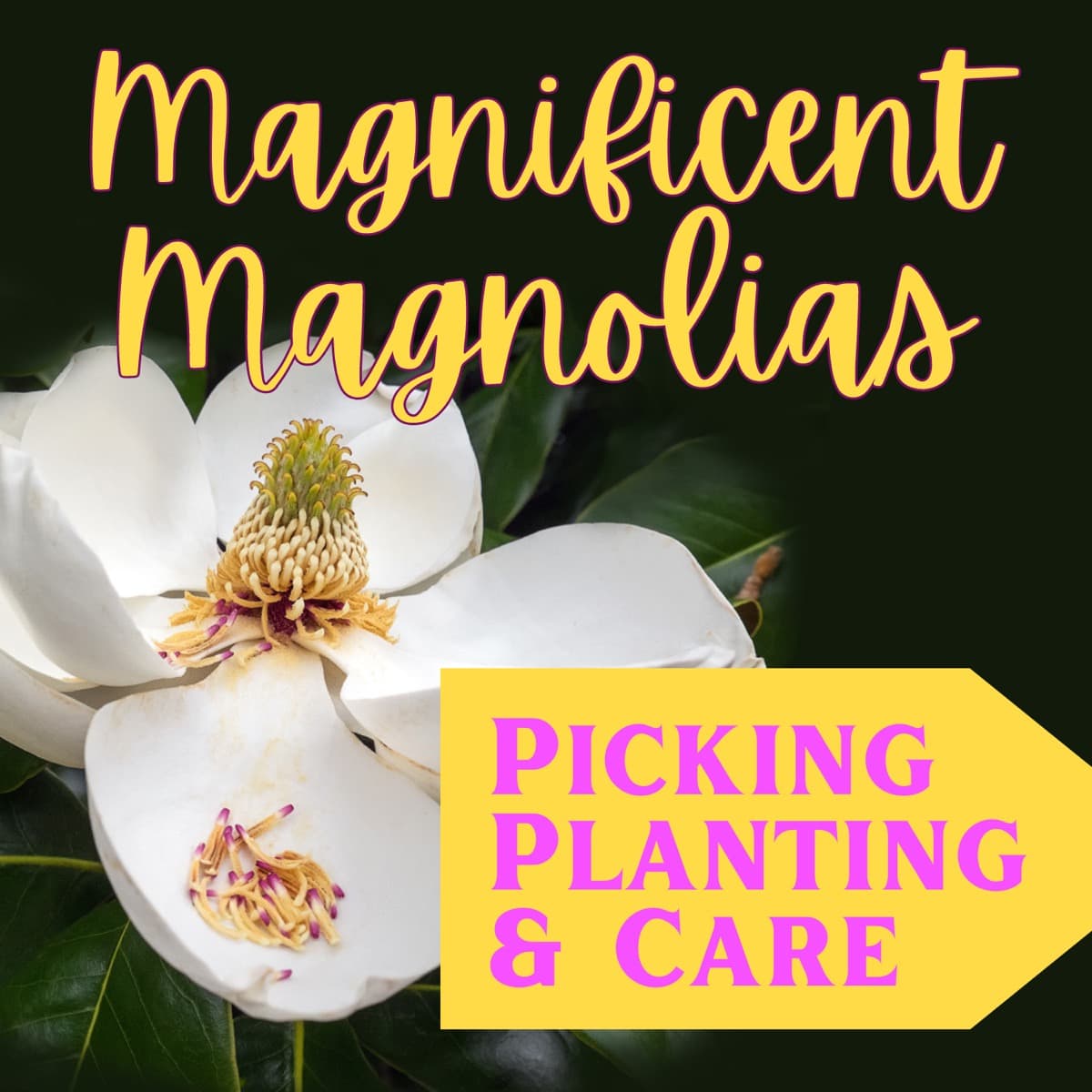
- Southern magnolia (Magnolia grandiflora) — native, evergreen, structurally sound.
- Bald cypress (Taxodium distichum) — surprisingly adaptable to upland yards, beautiful, native, durable.
- Longleaf pine (Pinus palustris) — if you have the space and a planting site outside the immediate fall zone of structures.
- Eastern red cedar (Juniperus virginiana) — tough, evergreen, low-maintenance.
- American beech (Fagus grandifolia) — for shaded, moist sites.
- Pignut hickory (Carya glabra) — for character and fall color.
The full list with reasoning is at our best-trees-to-plant guide. The list of trees to avoid — water oak, silver maple, Bradford pear, Chinese tallow — is on the same page.
What to Skip
The shortcuts that produce failures:
- Picking based on what looks good at the nursery without site analysis
- Picking the fastest-growing tree available because you want shade now
- Picking based on what the neighbor planted without checking whether your sites are the same
- Skipping the soil test when you know the site has weird soil (built-up fill, near building foundations, recent construction)
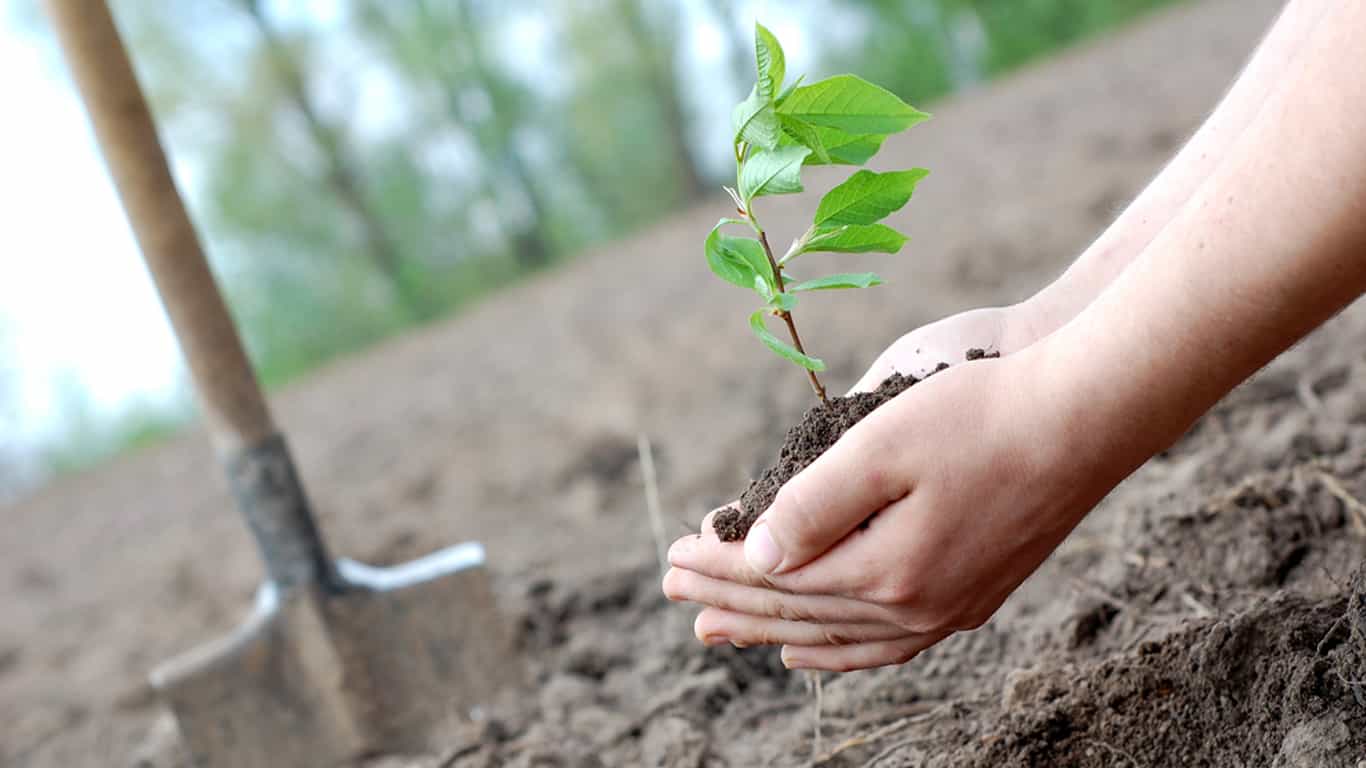
- Planting too deep — the single most common technical mistake, kills trees over 5–10 years
If you'd like an arborist to walk your site before you choose a tree, our tree care service includes consultation on species selection and planting. The 30 minutes of advice up front is worth more than any single thing you can spend on the tree itself.
The right tree, in the right place, planted right, will outlive the people who planted it. That's worth doing once, carefully.