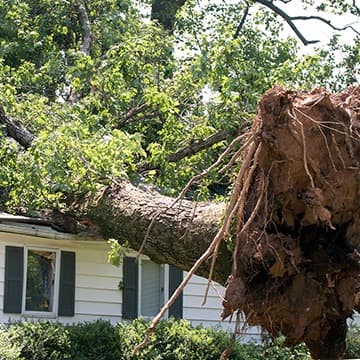
Tallahassee sits in one of the most tree-dense urban areas in the Southeast, and that means severe weather -- whether a summer thunderstorm, a tropical system, or a rare ice event -- almost always brings downed trees and broken limbs. The immediate aftermath of a storm can feel chaotic, especially if trees have struck your home, blocked your driveway, or taken out power lines. Knowing what to expect and how to respond can keep you safe and help you navigate the cleanup process more effectively. Here are nine things every Tallahassee homeowner should keep in mind when trees go down in a storm.
First, stay away from any downed tree that is near power lines -- even if the lines appear undamaged, they may still be energized, and the ground around them can conduct electricity. Call your utility provider immediately and wait for them to confirm the lines are de-energized before approaching. Second, do not attempt to remove large trees or heavy limbs yourself, especially those that are hung up in other trees, leaning against structures, or under tension from their own weight. These situations are extremely unpredictable and are responsible for many post-storm injuries. Third, document the damage thoroughly with photos and video before any cleanup begins -- this documentation is essential for insurance claims and will make the process much smoother.
Fourth, contact your insurance company as soon as possible to report the damage and understand your coverage. Most homeowner policies cover tree removal when a tree has struck an insured structure, but coverage for trees that fall in the yard without hitting anything is often limited. Fifth, be cautious about hiring the first tree crew that comes through your neighborhood offering storm cleanup. Unlicensed and uninsured operators frequently follow storms into affected areas, and poor-quality work can create new hazards or result in additional damage to your property. Sixth, prioritize hazards -- trees on structures, trees blocking emergency access, and hanging limbs that could fall on occupied areas should be addressed first, while downed trees in open yard space can usually wait. Seventh, understand that reputable tree services will be overwhelmed with calls after a major storm, so response times will be longer than normal. Most companies triage by severity, handling life-safety situations and structure-related emergencies before general yard cleanup.
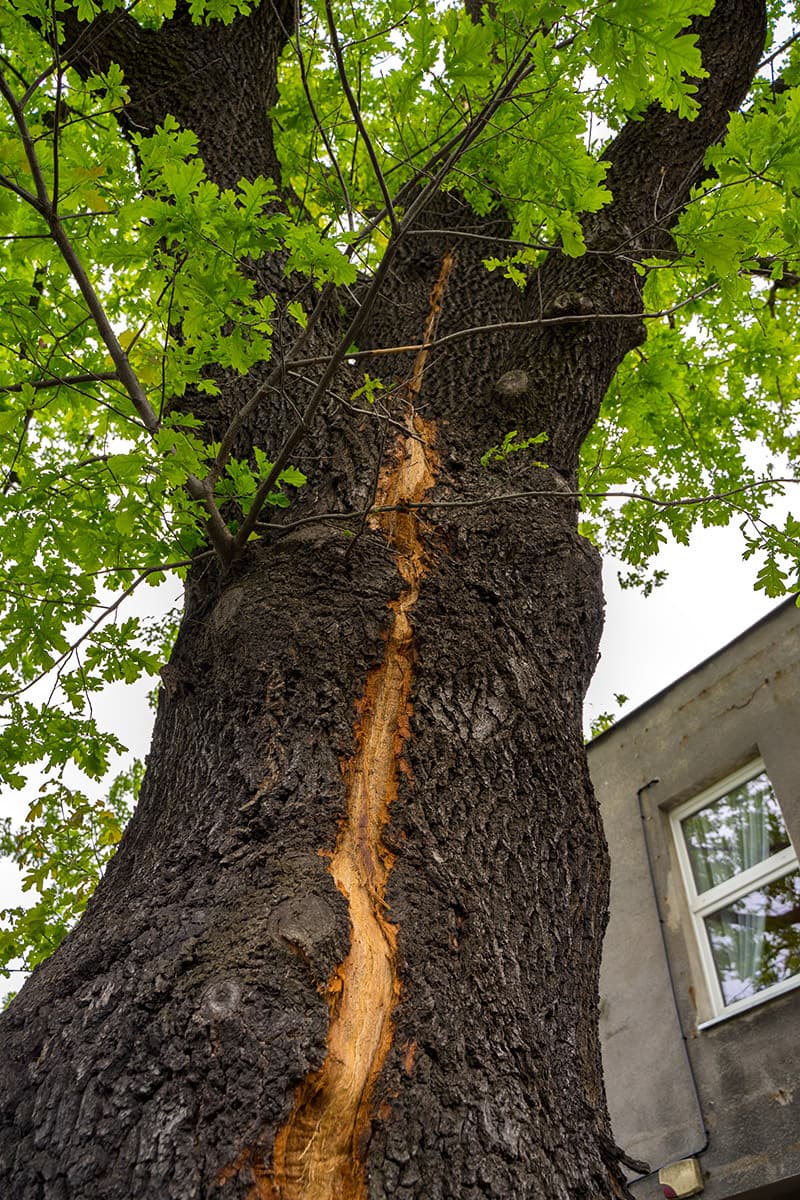
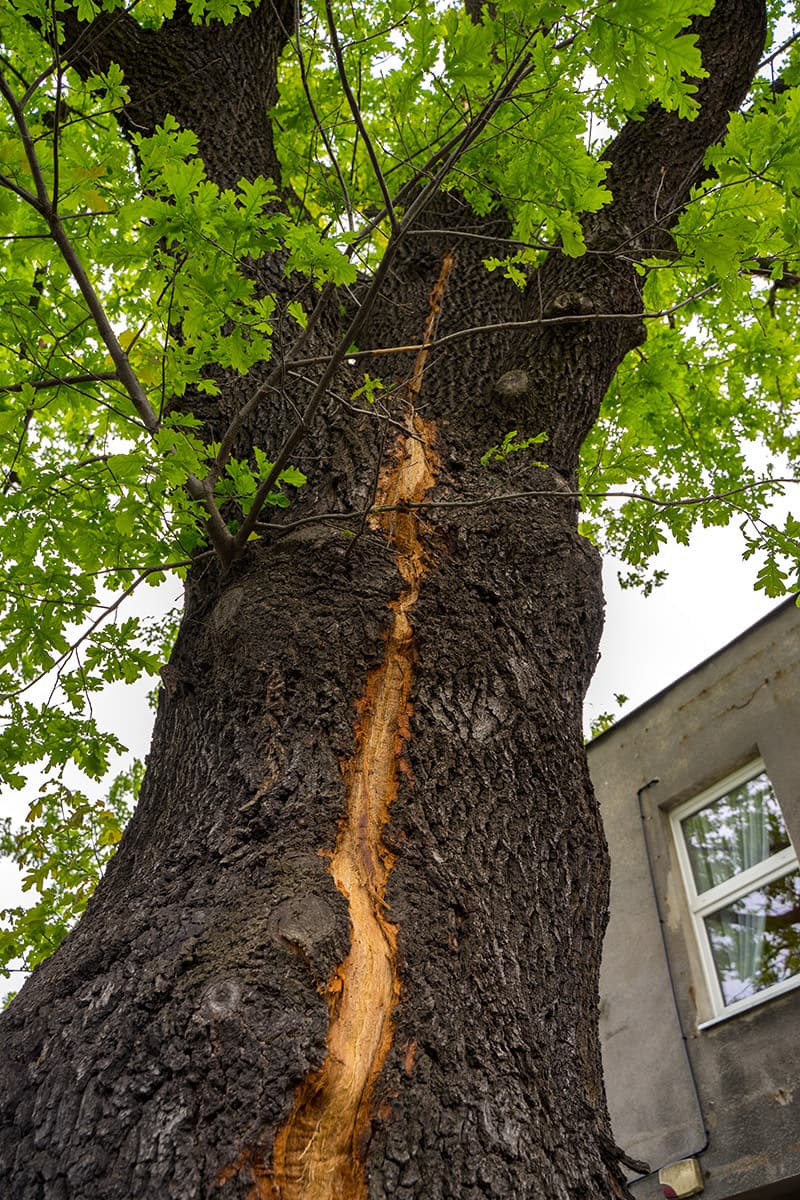
Eighth, check your trees for damage that may not be immediately obvious. Cracked branches still hanging in the canopy, partially uprooted trees that are leaning but have not yet fallen, and root plate lifting on the upwind side of trees that stayed standing are all post-storm hazards that need professional evaluation. Ninth, use the recovery process as an opportunity to invest in preventive care. Trees that survived the storm may still have structural weaknesses that were worsened by the wind load, and a post-storm assessment can identify these issues while they are still manageable. Miller's Tree Service provides emergency storm response and post-storm assessments throughout the Tallahassee area. When severe weather hits, our crews are ready to help you recover safely and get your property back to normal.