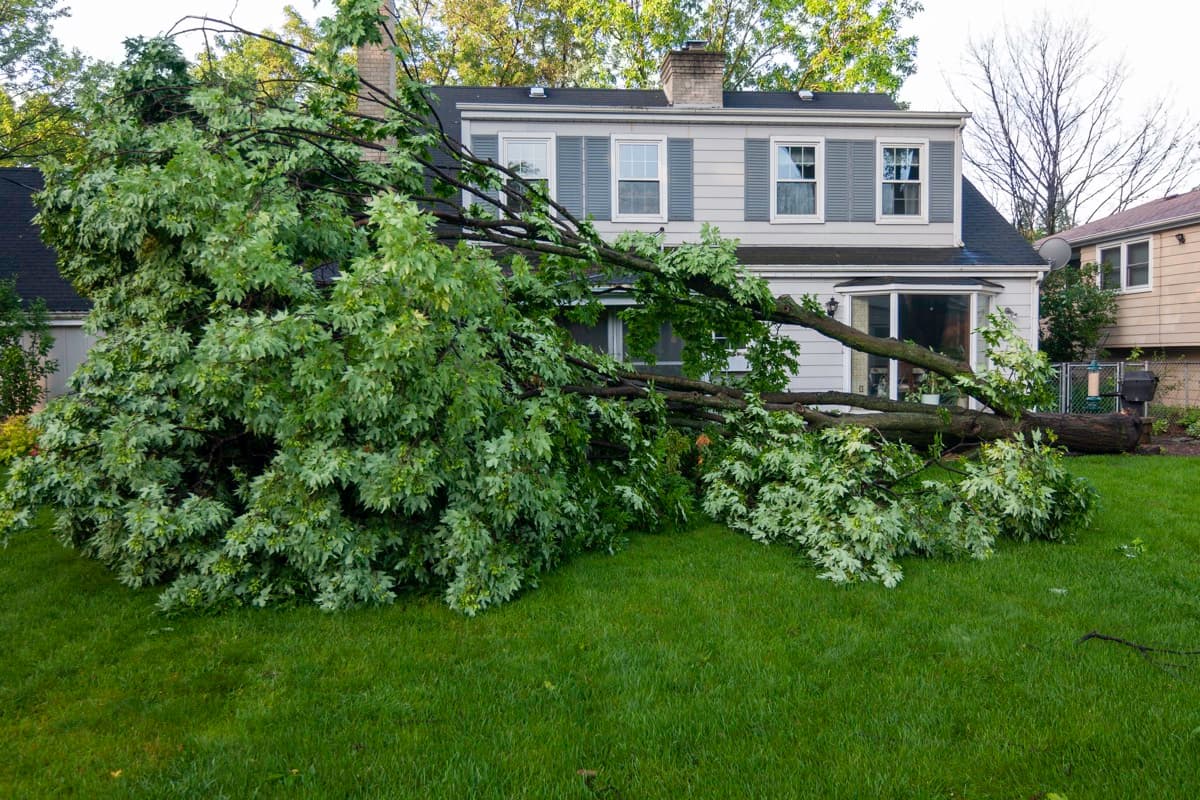
Hurricane season runs from June through November, and for Tallahassee homeowners, that means several months of potential exposure to damaging winds, heavy rain, and the kind of sudden gusts that turn neglected trees into serious hazards. North Florida may sit inland compared to coastal communities, but we are far from immune -- Hurricane Michael in 2018 proved that storms can carry devastating force well beyond the coast. The good news is that a straightforward five-point plan, executed before the season begins, can dramatically reduce the risk your trees pose to your home, vehicles, and family.
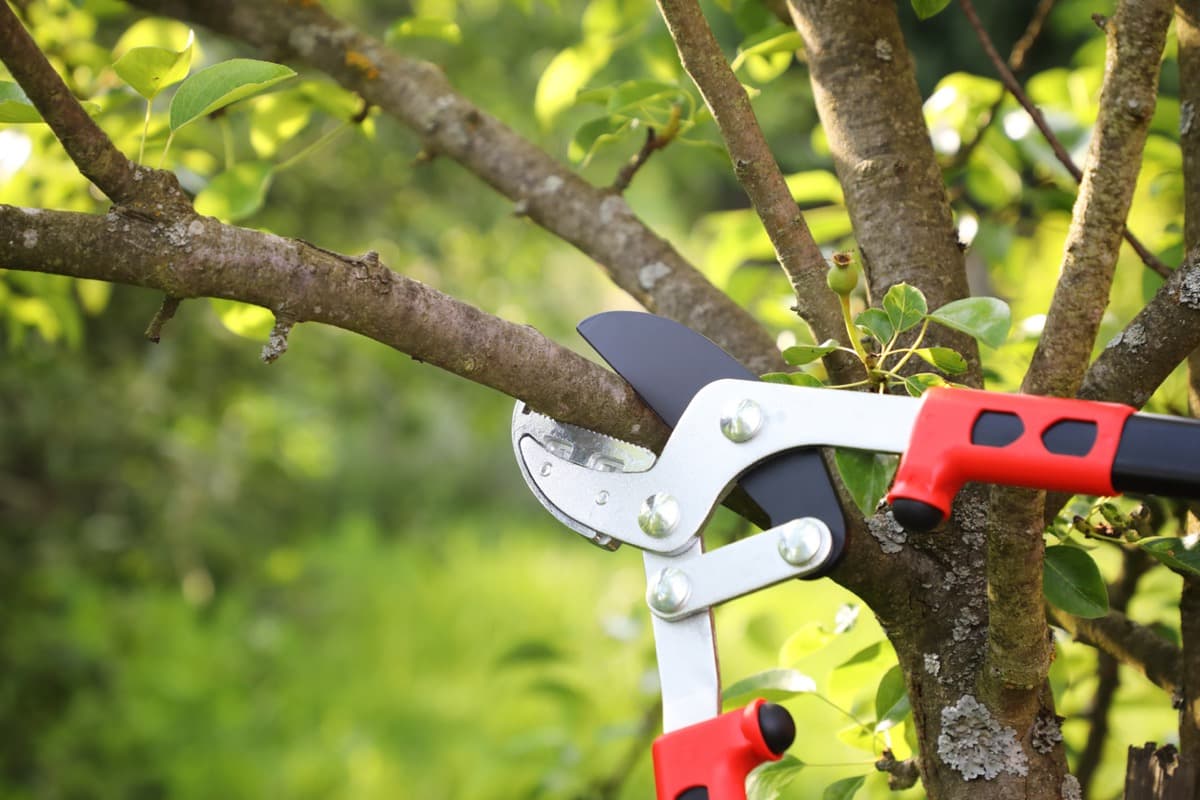
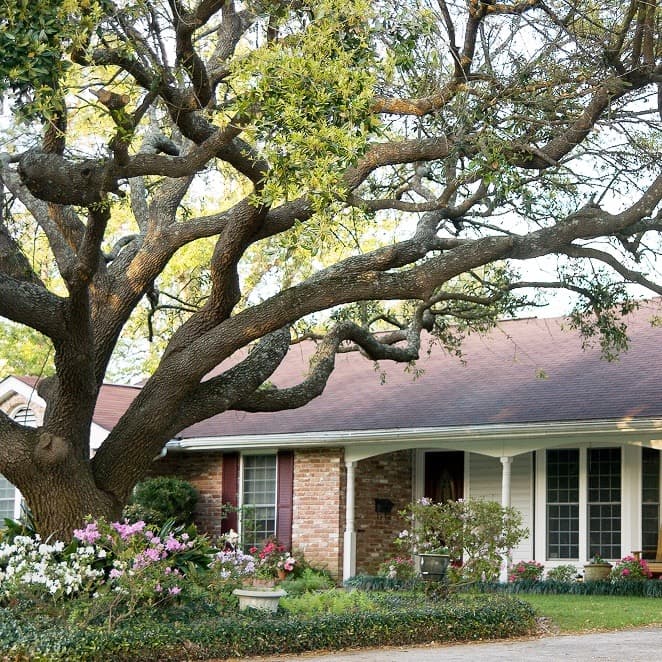
The first step is a thorough property assessment. Walk your yard and look for obvious warning signs: dead branches hanging in the canopy, cracks in major limbs, leaning trunks, or mushrooms growing at the base of a tree. Any of these can indicate structural weakness that makes a tree more likely to fail during high winds. Pay special attention to trees within striking distance of your home, power lines, fences, and driveways. The second step is targeted pruning. Removing dead wood and thinning the canopy allows wind to pass through rather than catching the crown like a sail. This is one of the single most effective things you can do to reduce storm damage, and it should be done well before any tropical system is in the forecast.
Step three involves root zone health. Compacted soil, recent construction damage, and poor drainage all weaken a tree's anchoring system. Adding mulch in a wide ring around the base -- keeping it away from the trunk -- helps maintain soil moisture and encourages healthy root growth. Fourth, have a certified arborist evaluate any trees you are uncertain about. Some species common in Tallahassee, like water oaks and laurel oaks, tend to develop internal decay that is not visible from the outside. A professional assessment can identify hidden risks and help you decide whether removal or additional cabling is warranted.
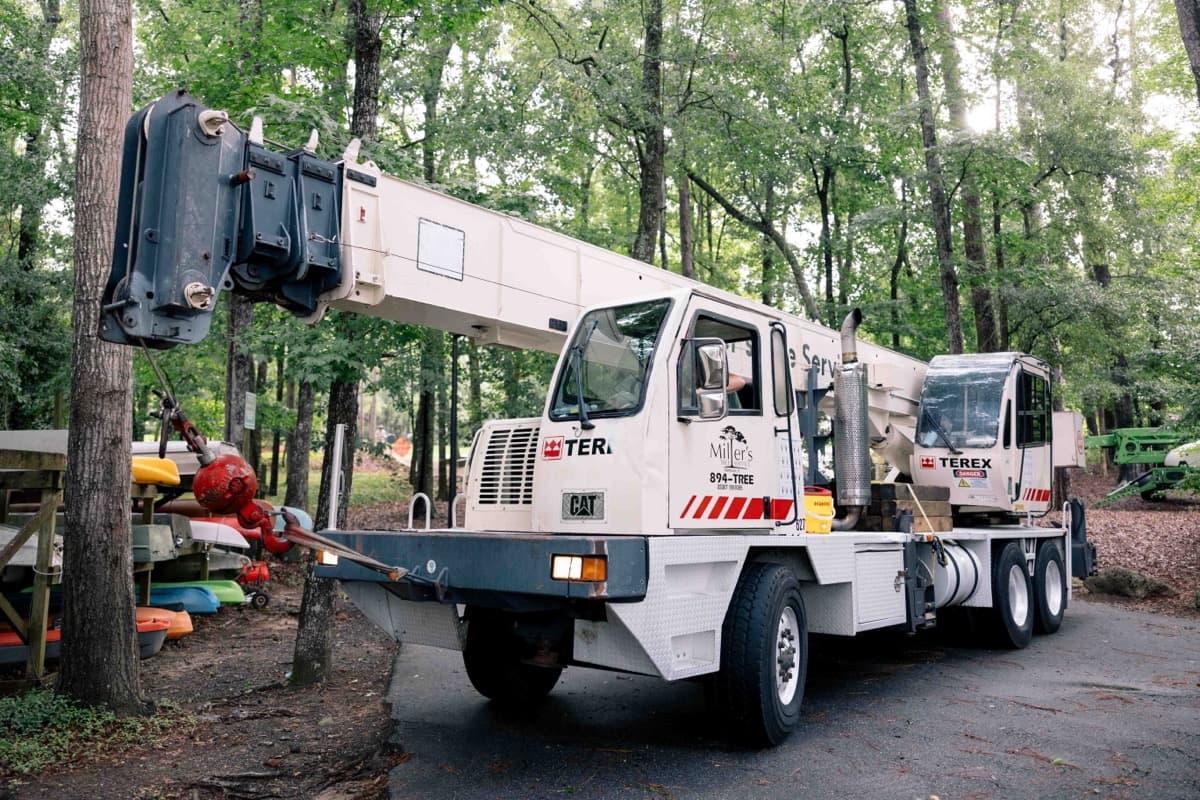
Finally, step five is establishing a relationship with a reputable tree service before you need emergency help. After a major storm, wait times for tree removal can stretch for weeks or even months as crews are overwhelmed with calls. Having an existing relationship with a company like Miller's Tree Service means you are already in the system and can get faster response when it matters most. Taking these five steps each spring puts you in the strongest possible position heading into hurricane season and gives you real peace of mind when the forecasts start looking serious.