Hurricane prep is a yard project. Not a tree project.
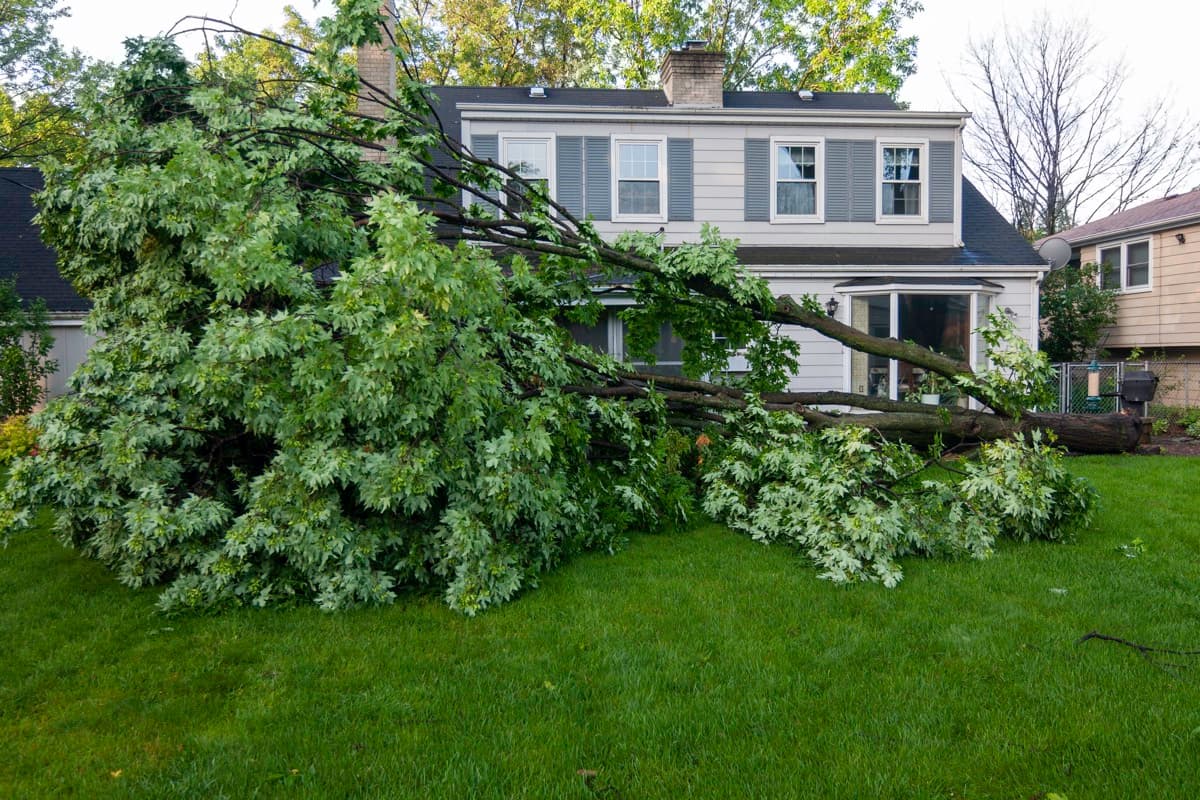
That's the mistake. You stock up on water and tape the windows. You move the patio furniture into the garage. The tree forty feet from your roof doesn't get a thought until 2 a.m. on the night the wind hits 70.
Most of the trees that take out a roof in North Florida looked fine right up until they didn't.
What Actually Falls on Houses Here
It isn't always the obvious tree.
The dead pine at the back of the lot is the one homeowners worry about — and it's usually the one they remove before season. Good. The trees that take out roofs in Tallahassee are the ones that looked healthy: a water oak with a hollow trunk no one could see, a live oak with a co-dominant stem that finally split, a slash pine in saturated sandy soil that just lifted up by the roots.
You can't fix what you don't know about. That's the whole problem.
The Two Months That Matter
Hurricane prep doesn't happen in August.
The National Weather Service in Tallahassee starts watching the tropics in May. By the time a cone of uncertainty is on a forecast, every reputable tree service in town is booked. Crews spent the last month catching up on storm-prep estimates, and now they're staging for the storm itself. Your call goes in the queue with everyone else's.
The window that matters is spring through early summer. March, April, May. By June 1, the work should be done.
The Checklist
This is what an ISA Certified Arborist looks for on a pre-season walk of your property — and what you can look at yourself before you call one.
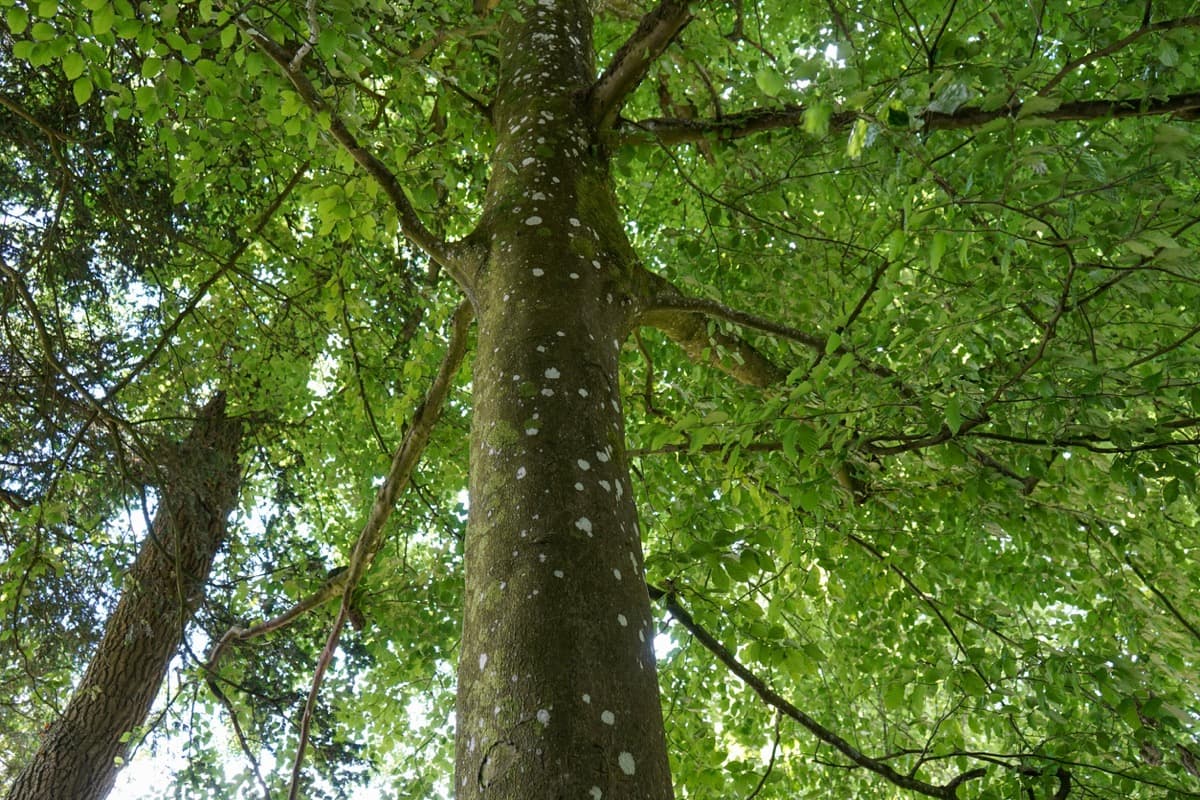
1. Deadwood in the canopy. Look up. Bare branches with no leaves in mid-summer, branches with peeling bark, branches that snap clean when you scratch them. These are projectiles waiting for wind. They come off before season.
2. Co-dominant stems with included bark. Where two trunks fork low and grow up roughly the same size, there's often a thin seam between them packed with bark instead of wood. Under wind load, that seam is the failure point. Cabling can sometimes save the tree; honest evaluation tells you when it can't.
3. Leaners. A new lean — one you didn't notice last year — usually means root failure has already started. The root plate is moving in the soil. That tree won't survive a saturated storm. It needs to come down before, not after.
4. Mushrooms or conks at the base. Fungal fruiting bodies at the root flare or on the trunk almost always mean significant internal decay. Ganoderma in a live oak is the classic example. The tree may look perfectly fine above. It isn't.
5. Cracks in major limbs or unions. Vertical cracks running down a trunk, horizontal cracks across a branch attachment, bark separating from the wood underneath — all signs of structural failure already in progress.
6. Sandy-soil pines close to the house. Slash and loblolly pines grow shallow root systems in our sandy soil. They uproot in saturated ground. The pine ten feet from your bedroom wall is the one to assess carefully.
7. Anything that looked bad last summer and didn't get better. Trees rarely improve on their own. A canopy that thinned last year is thinner this year. A limb that died last season has more dead limbs around it now. Don't roll the dice.
What You Can't Do Yourself
A few items on that list, you can. Pulling small dead branches off a low limb. Watching whether a lean has gotten worse. Noting where the mushrooms are.
Most of it, you can't.
The branches that matter are 40 feet up. The cracks worth finding are inside the trunk where bark hides them. The roots that fail in storms are buried under your lawn. The diagnostic tools that catch internal decay — resistograph drilling, sonic tomography — aren't in your garage.
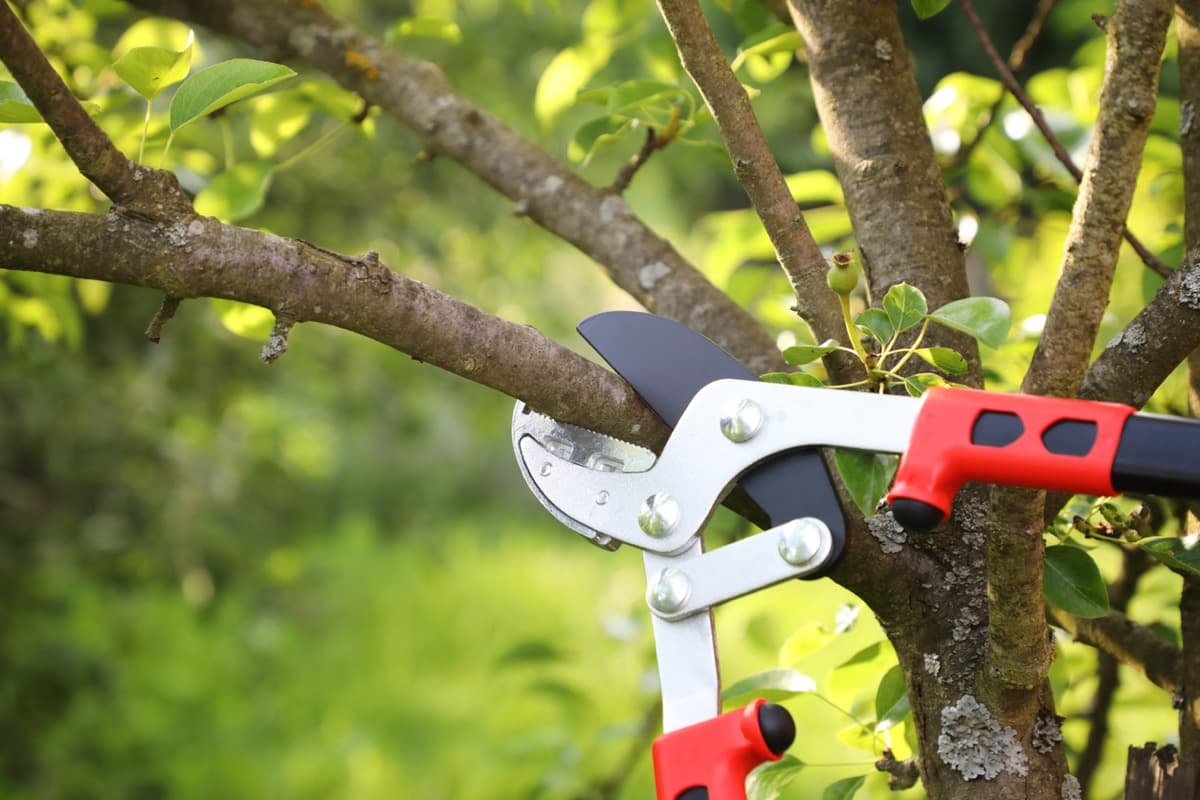
This is what an arborist does: looks at every tree on a property with a trained eye, identifies the actual failure points, and prescribes what gets cut, what gets cabled, and what gets left alone. The work itself is mostly structural pruning — thinning the canopy so wind passes through instead of catching it like a sail, removing the deadwood, reducing end weight on heavy lateral limbs, sometimes installing cables on trees worth keeping but not worth gambling on.
Well-pruned trees don't survive every storm. They survive most storms. Neglected trees survive fewer storms than you'd think. The UF/IFAS post-hurricane research tracking which trees made it through Florida's 2004 and 2005 hurricane seasons found that the trees with a history of structural pruning had dramatically lower failure rates than identical neighbors that had been left alone.
After
Storms don't end when the wind stops. Trees that "made it" can be the ones that fail next year — or the year after — because they took hidden damage you can't see.
Post-storm hazard inspection of large trees near homes is one of the most worthwhile things you can do for a property's long-term safety. We did a lot of it after Hurricane Michael, and a lot of those trees that "made it" eventually came down anyway. Catching them while there's still time to act is the difference between a planned removal and an emergency call.
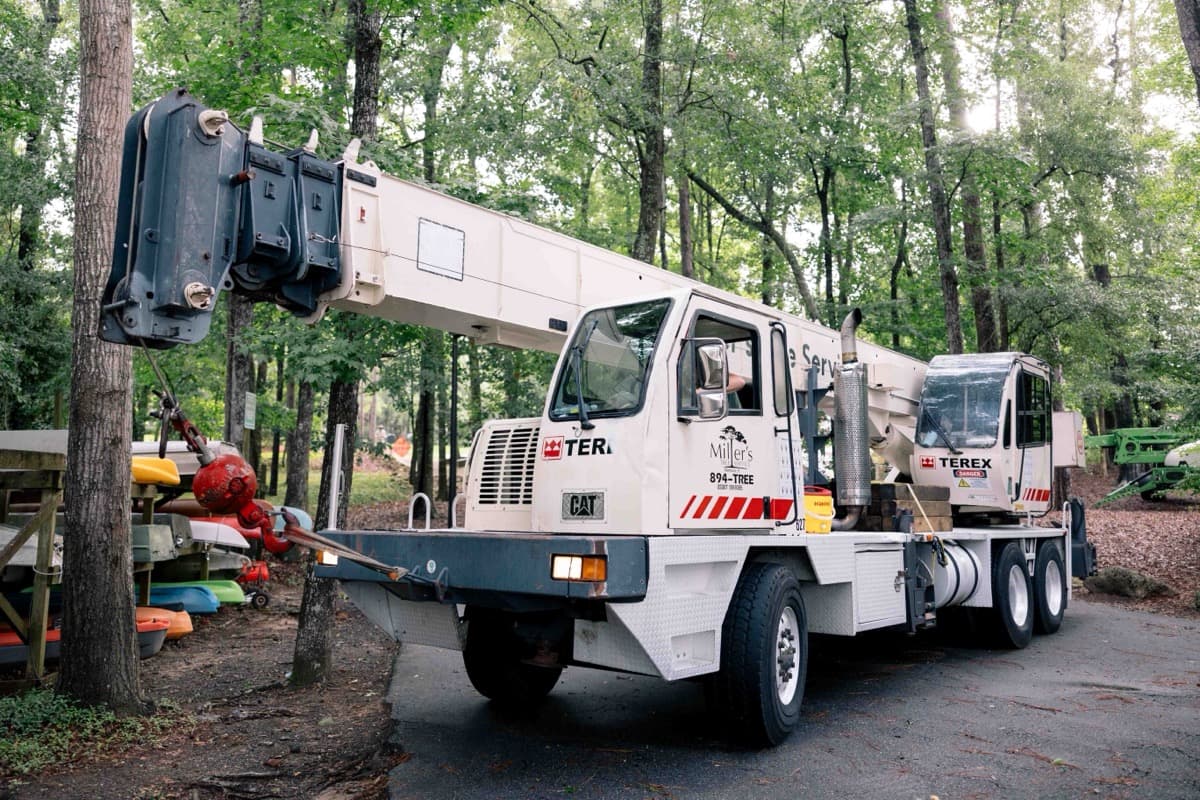
For the immediate emergency — a tree on your roof at 2 a.m., a limb across your driveway, anything blocking safe exit — that's what our 24-hour emergency service is for. We answer the phone live, 365 days a year. The pre-season work is what makes us answer fewer of those calls in the first place.
The trees on your property are the part of hurricane prep most homeowners skip. Don't be one of them.