Storm preparation begins in the yard as well as the house. Look at the trees within reach of your roof, driveway, and gathering areas. Have concerns assessed early enough to schedule work before severe weather arrives.
Tree preparation starts with a thorough property assessment. Walk your yard and look for dead branches, cracked limbs, and trees that have developed a noticeable lean. Pay attention to trees with co-dominant stems -- those V-shaped forks where two leaders emerge from the same point -- because these unions are structurally weak and prone to splitting under wind load. Large trees growing close to your home, garage, or utility lines deserve extra scrutiny. If anything looks concerning, schedule an evaluation with a certified arborist who can determine whether pruning, cabling, or removal is warranted.
Personal preparedness is equally important. Know the difference between a tropical storm watch, a warning, and a hurricane advisory, and have a plan for each scenario. Keep a list of emergency contacts that includes your tree service provider, utility company, and insurance agent. Document the trees on your property with photographs before storm season begins -- this record is invaluable for insurance claims if damage occurs. Make sure you have a plan for securing outdoor furniture, potted plants, and other objects that can become projectiles in high winds.
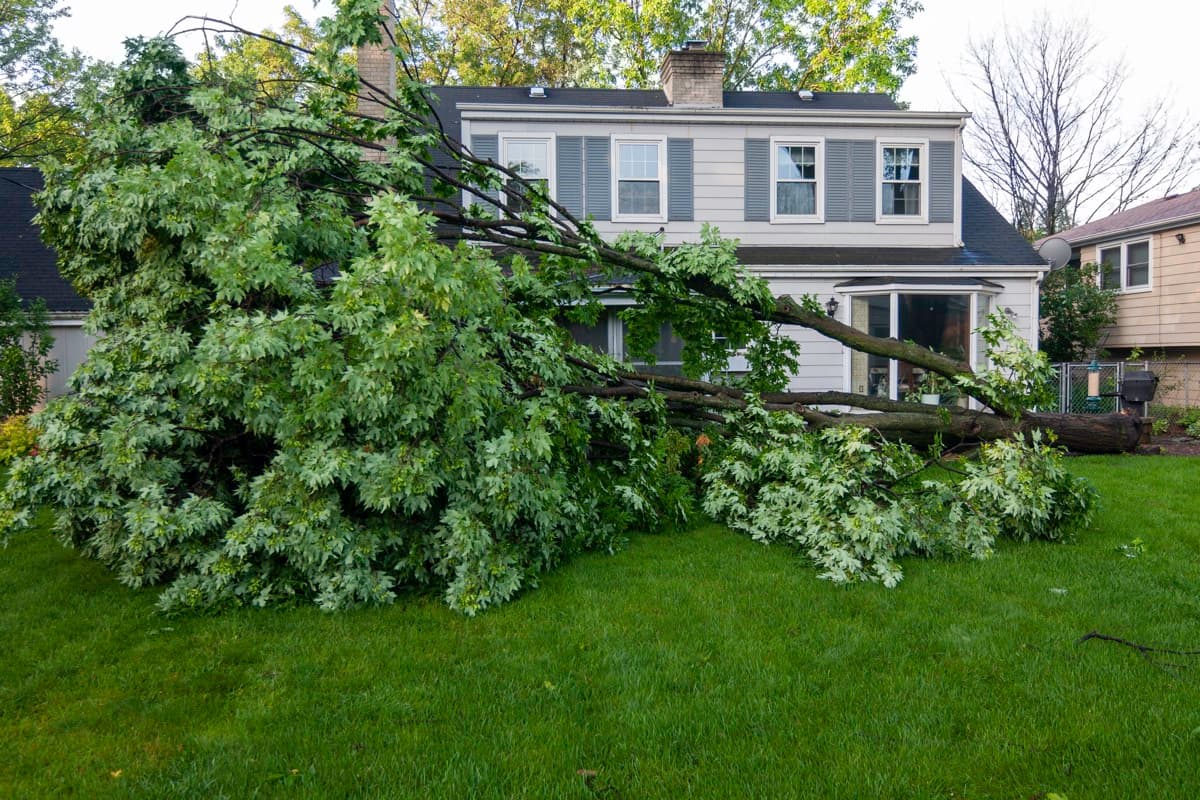
After a storm passes, resist the urge to start cleanup immediately. Downed power lines, unstable hanging branches, and compromised tree structures create serious hazards that require professional handling. Once it is safe to assess the damage, prioritize trees that are threatening structures or blocking access. Many storm-damaged trees can be saved with proper corrective pruning, so avoid making hasty removal decisions in the stress of the moment. A post-storm consultation with an arborist helps ensure that salvageable trees get the care they need and that genuinely hazardous situations are resolved safely and efficiently.