Using the correct pruning tool for the job is just as important as knowing where and when to cut. The wrong tool can crush bark, leave ragged wounds, and make the work harder than it needs to be, while the right tool produces clean cuts that heal quickly and protect tree health. For Tallahassee homeowners who want to handle minor pruning on their own, understanding the basic toolkit is a valuable investment in both your landscape and your safety.
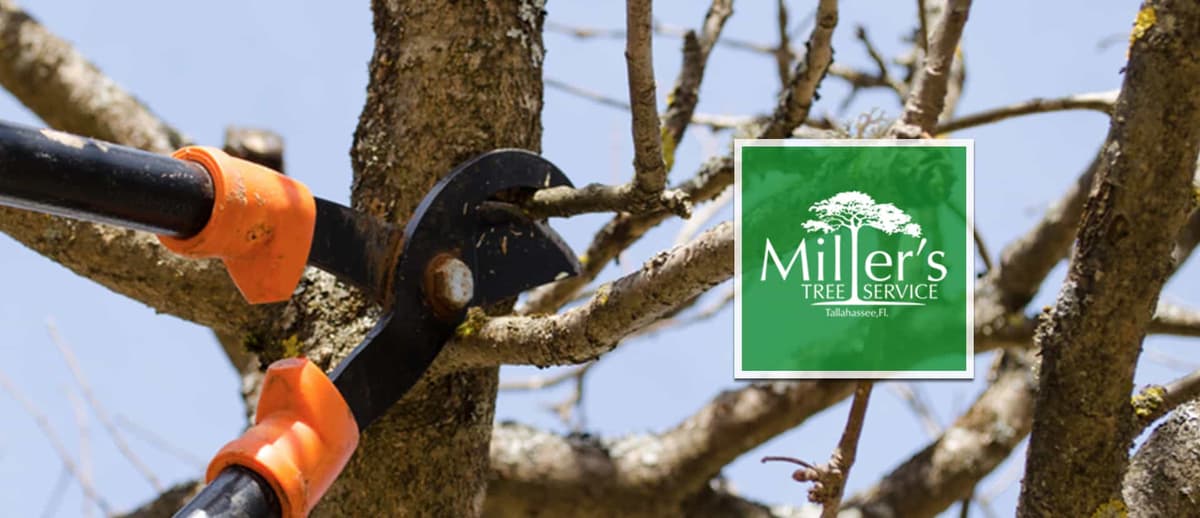
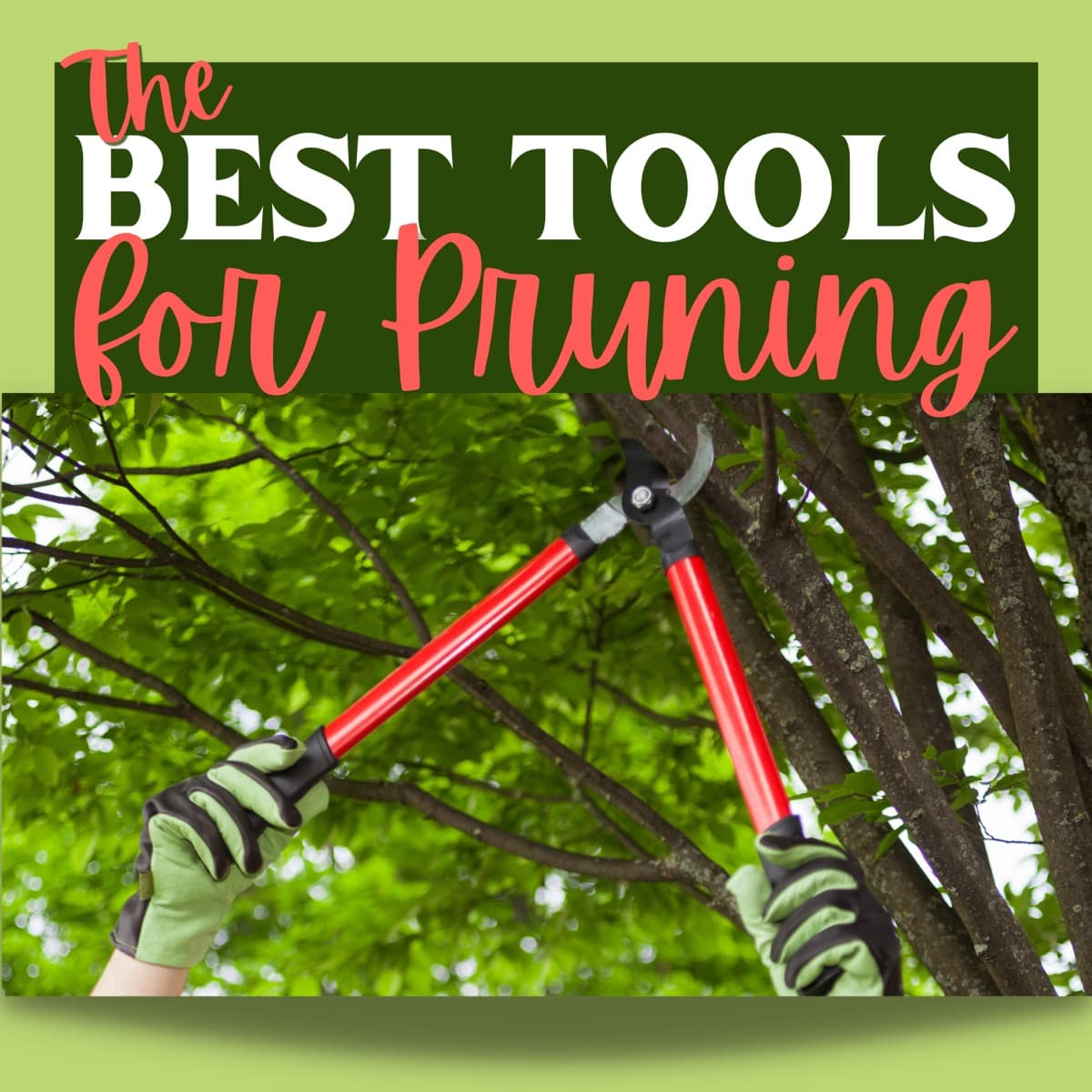
Hand pruners, also called secateurs, are the starting point for any pruning toolkit. Bypass-style hand pruners, which cut with a scissor action, produce the cleanest cuts on living wood up to about three-quarters of an inch in diameter. They are ideal for removing small dead twigs, shaping young trees, and tidying up shrubs. Anvil-style pruners crush rather than slice and are better reserved for dead wood only — the ISA Certified Arborist Study Guide specifically calls out bypass blades as preferred for living tissue and anvil blades as the wrong tool for live wood. For branches between three-quarters of an inch and about two inches, loppers provide the extra leverage needed to make clean cuts without excessive effort. Choose bypass loppers with compound-action handles for the best combination of cutting power and precision.
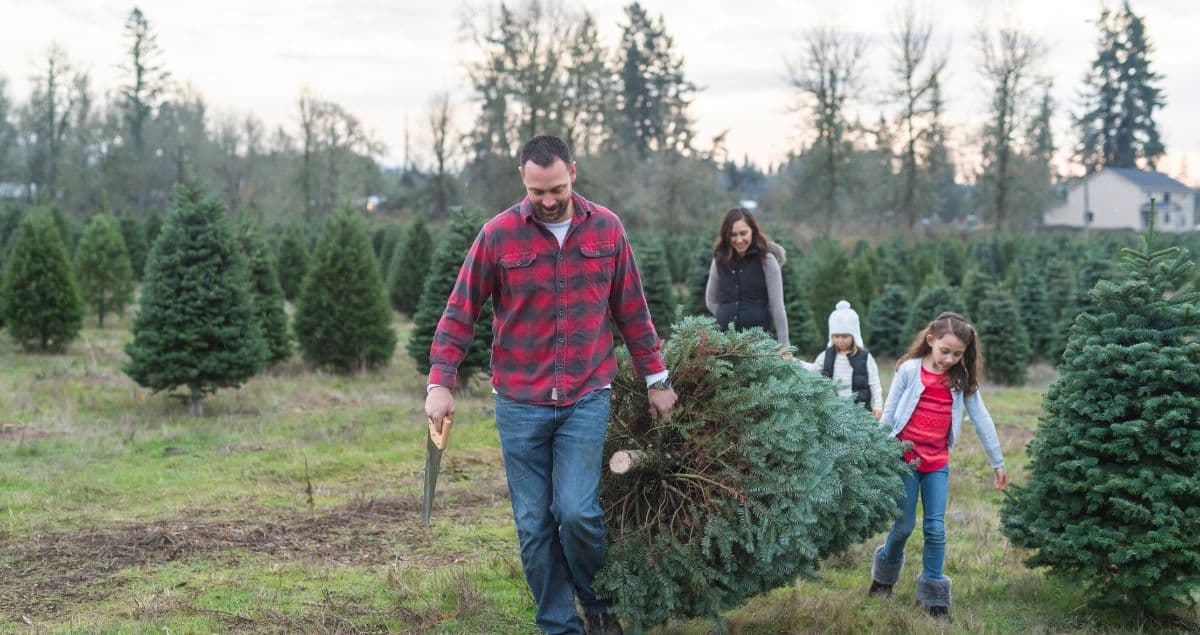
When branches exceed two inches in diameter, a pruning saw is the appropriate tool. Curved-blade pull saws with aggressive tooth patterns cut quickly through green wood and are easy to use overhead. For branches that are higher than you can comfortably reach from the ground, a pole pruner or pole saw extends your range by eight to twelve feet. Quality matters here -- a sharp, well-maintained pole saw makes overhead work dramatically easier and safer than a dull one. Chainsaws are the tool of last resort for pruning and should only be used by experienced operators, never on a ladder, and ideally not overhead.
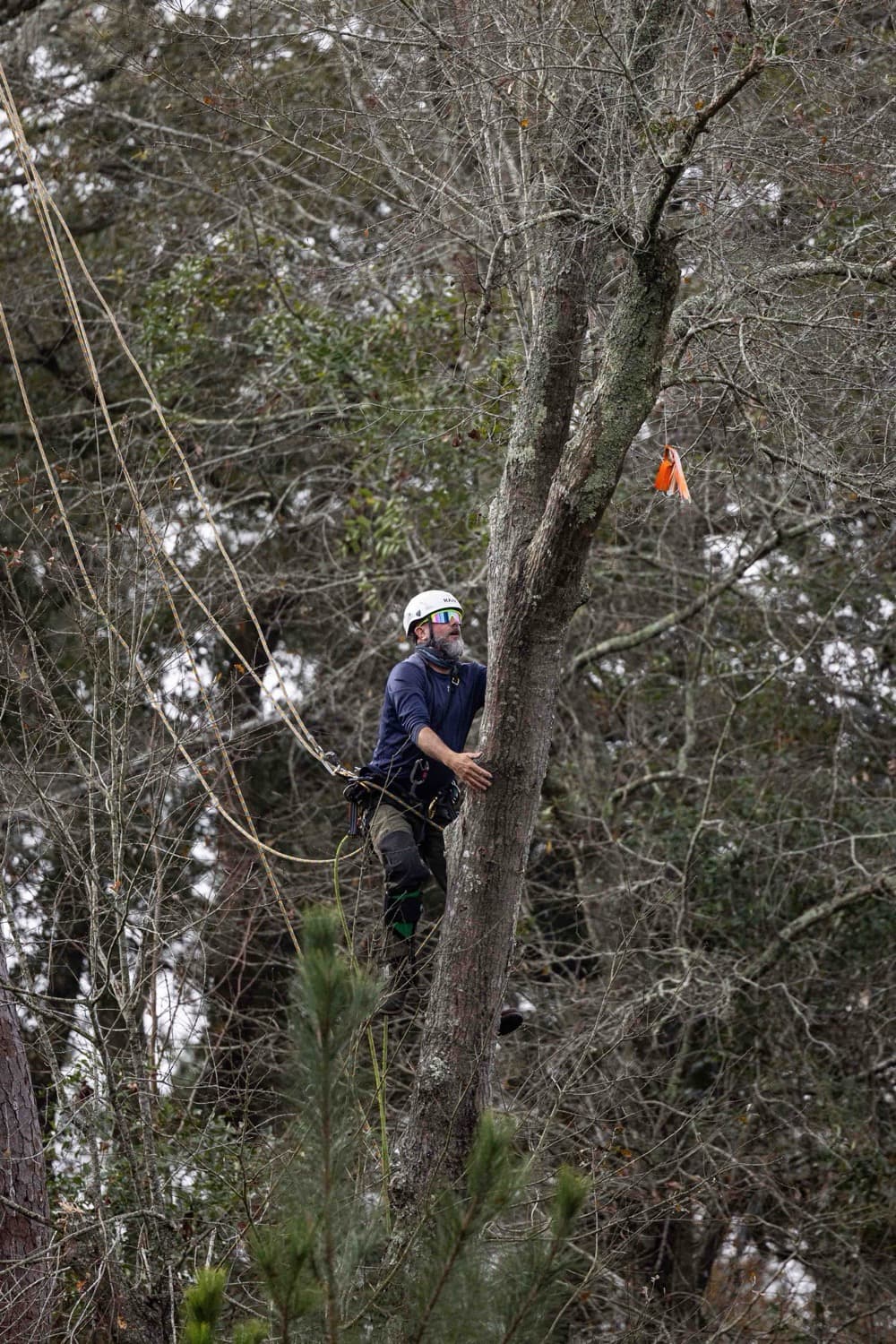
Regardless of which tool you use, keeping blades sharp and clean is essential. Dull blades tear bark and create jagged wounds that are slow to close and vulnerable to disease entry. Disinfecting pruning tools between trees with a ten-percent bleach solution or rubbing alcohol helps prevent the spread of pathogens like oak wilt and bacterial leaf scorch. For any pruning work that involves climbing, large branches, or proximity to power lines, call a professional tree service. Certified arborists have access to specialized equipment -- from professional-grade chainsaws to aerial lift trucks -- and the training to use them safely in situations where homeowner-grade tools fall short.